
November 10, 2026
Authors

The safety performance of roadways can be improved when designers and traffic engineers have a better understanding of how road users perceive, process, and respond to roadway information.
The "Human Factors Handbook for Road Designers and Traffic Engineers," explores how understanding the people who use roads can inform safer, more intuitive transportation systems. Co-edited by Exponent's John Campbell, Ph.D., CHFP, PMP, with Michael A. Regan and Rob Morgan, this first-of-its-kind book connects human factors principles with the everyday challenges of road design and traffic management.
Across 38 chapters organized into seven parts, the book moves from foundational concepts to practical applications. The editors establish the road safety context through Vision Zero, the Safe System approach, systems thinking, and crash causes before introducing human-centered design principles and processes. They then examine road users' capabilities, limitations, and design needs, including perception, attention, memory, decision-making, human error, pedestrian requirements, and cultural considerations.
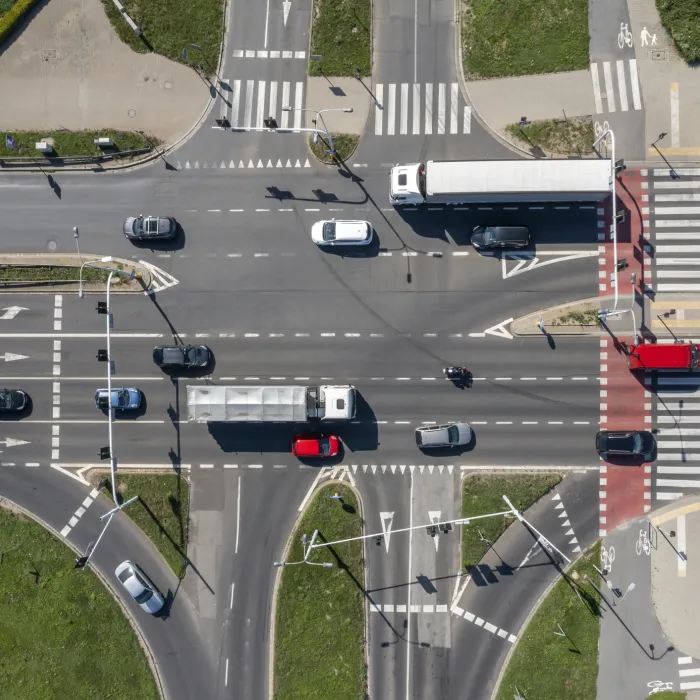
The book then applies these concepts to road network and town planning, self-explaining roads, intersections, tunnels, railway crossings, parking, traffic control devices, signals, street lighting, speed management, roadside advertising, and network operations. Additional chapters explore how road users adapt their behavior to design interventions and how human factors can inform crash and road design investigations.
The book concludes with research and evaluation methods, human factors guidelines and standards, intelligent transport systems, and automated and connected vehicles. Case studies, practical exercises, checklist questions, and supporting appendices help readers connect the concepts to professional practice. Together, these resources position the book as both a teaching text and a practical reference for putting road users at the center of transportation design.
From the publication: "This handbook — the first of its kind — seeks to show how an understanding of human factors can be applied in practical ways to the day‑to‑day tasks of designing and managing the road system to make it a safer and more user‑friendly place to travel."