
May 27, 2026
Authors



Executive Summary
Autonomous robots are transitioning from controlled settings into homes and workplaces, making battery reliability and safety a mission-critical challenge. High-energy battery packs — essential for mobility and computing — introduce new risks, including fires and toxic gas releases. Managing those risks takes system-level thinking: identifying, assessing, and mitigating battery risks through rigorous evaluations and lifecycle-focused risk management. By integrating proactive design strategies and failure analysis, product developers can address critical safety issues and safeguard their investments as robotics adoption accelerates worldwide.
Key lessons from micromobility and other high-energy industries to help robotics developers manage battery risks as autonomous systems spread into homes and workplaces
As robots move out of controlled industrial settings and into homes, warehouses, hospitals, and mixed-use environments, they require large, high-energy battery packs for motion and onboard computing. In many cases, this means robots may carry some of the largest batteries used near people and inside homes. Specialized industry standards like UL 2743 and NFPA 855 flag 1 kWh as a threshold for large batteries, typically limited to commercial and industrial applications, and outline more strenuous safety standards than many consumer products are held to. A single humanoid robot's battery pack may exceed this threshold many times over.
The micromobility industry experienced a similar rapid deployment of high-energy battery systems into spaces where people live and work, providing a critical precedent for the rapid scale-up of robotics development. Adoption of some micromobility technologies outpaced regulation, causing safety incidents, including thermal runaway events, intense fires, toxic off-gassing, property damage, and even fatalities. Robotics manufacturers, who are poised to deliver an estimated 80 million robots into homes and one billion across diverse applications by 2050, may be able to avoid similar outcomes by drawing on the hard-earned lessons of fast-evolving micromobility applications.
Without regulatory frameworks to guide deployment in homes and public settings, robotics manufacturers face an increased burden of managing the inherent risks powerful battery systems can pose to workers, consumers, patients, children, and even pets. Existing codes leave critical questions unanswered. For instance, regulators have yet to determine what infrastructure beyond a standard electrical outlet is needed to safely charge a high-energy home robot, or how businesses should manage the concentrated hazard of fleet charging. Manufacturers will need to address these questions as deployment continues to outpace regulatory response.
Effectively addressing these hazards requires understanding how batteries behave in complex robotic systems, identifying failure modes before they manifest, and accounting for risks that fall outside existing standards as use cases evolve. That means building robust risk mitigation into design, testing, and product lifecycle decisions from the outset: asking the right questions, gathering the right data, stress-testing assumptions about battery behavior and system interactions, and probing for potential misuse scenarios.
How can product developers bridge the gap between robotic capability and human safety?
Battery risk in robotics is not defined solely by cell chemistry or energy density. It emerges from how the battery is integrated into a complex system that moves, makes decisions, interacts with people, and operates across varied environments, from factory floors to living rooms and kitchens. With batteries now supporting motion and the significant computational workloads required for AI-driven autonomy, reliability is foundational to robotic function. Early, safety-led design evaluations can focus on understanding the full range of failure modes: how they could occur, how they might propagate, and what the consequences would be under realistic conditions, including both heavy, continuous operation and light, intermittent use scenarios.
Interrogating and stress-testing assumptions helps surface blind spots before they become potentially dangerous realities.
System‑level design reviews
Battery risk assessment begins with structured design reviews that identify battery-initiated failure modes and their system-level consequences, including design failure modes and effects analysis (DFMEA). In robotics, this work examines how battery faults such as thermal events, isolation failures, or degradation interact with electrical architectures, mechanical structures, control systems, and human‑facing behaviors, including fail‑safe responses when faults or power loss occur.
One of the key lessons learned from the micromobility ramp-up is that design evaluations can benefit from accounting for variables beyond the robot itself, such as the thermal load on standard electrical outlets or the potential need for fire-rated charging environments. Early micromobility fires frequently stemmed from design defects and thermal management systems that could not contain cascading failures across battery packs that were rushed to market. Electrical, mechanical, and thermal engineers can help manufacturers address these pivotal risk points in humanoid robotics applications.
Turning these and other precedents into a roadmap for safety requires reassessing failure modes across the product lifecycle. Interrogating and stress-testing assumptions helps surface blind spots before they become potentially dangerous realities.
Use and abuse tolerance analyses
Robots will face diverse conditions in handling, human interactions, and operational environments that extend well beyond controlled conditions. A home robot may be bumped by a child, knocked off a step, or caught in an accidental spill; a warehouse robot may absorb repeated impacts from carts or machinery. Use and abuse tolerance analyses and custom testing methodologies can offer critical insights into specific applications and edge cases failure modes.
Testing may also simulate impacts from falls or collisions, exposure to environmental elements and weather, or other unexpected interactions. In the micromobility sector, water immersion and moisture ingress, initially unanticipated by many OEMs, became a leading cause of field failures, ranging from hoverboard fires to e-bike explosions during charging. By integrating these "off-label" abuse scenarios — such as high-pressure cleaning or prolonged exposure to moisture — into test programs, engineers can challenge design margins and better understand how risk evolves in the field.
Battery failure containment
If a battery fault occurs in a robotic application — whether from a collision, a degraded cell, or an unexpected electrical short — what happens next largely depends on how well the system was designed to contain it. Failure containment and thermal runaway propagation assessments evaluate whether faults remain localized or escalate across cells and packs. Industry standards provide a useful baseline, but robotic operating environments introduce variables like confined spaces, proximity to people, and extended use that standardized conditions often do not address.
Connecting design intent to factory-floor reality supports long-term consistency and protects against the latent defects that compromise fleet reliability.
Where design reviews identify theoretical failure pathways, containment assessments put those assumptions to the test. Engineers evaluate thermal barrier performance, cell spacing, and protective feature effectiveness under conditions that reflect how robots actually operate — not just how they were designed. Lessons from micromobility reinforce why this distinction matters: In some early e-scooter and e-bike models, containment strategies that appeared sound on paper failed to prevent single-cell thermal runaway from propagating rapidly through entire battery packs, demonstrating the importance of a well-designed containment strategy in preventing a single cell fault from becoming a system-wide catastrophe.
Understanding those gaps is precisely where engineers can add the greatest value. By developing custom test scenarios that reflect realistic configurations and edge cases, engineers can examine how thermal events initiate, how failures propagate, and how design choices — including materials selection, cell spacing, thermal barriers, and protective features — shape escalation pathways and available safety margins.
Supply chain and manufacturing risk
Battery risk is shaped not only by design but by how cells and packs are sourced, manufactured, and assembled across supply chains. Variability in materials, processes, and quality control can potentially introduce latent defects that influence reliability, degradation, and failure propagation over time. Factory audits and manufacturing quality evaluations are essential to identify and mitigate these risks — but without the right tools, these efforts can be ineffective and costly.
X-ray techniques such as computed tomography (CT) play an important role in non-destructively identifying internal defects, contaminants, misalignments, or manufacturing anomalies that external inspection cannot reveal. When applied across the product lifecycle, from supplier qualification to field failure investigations, these technologies and related analyses confirm that manufacturing realities align with safety requirements before issues emerge at scale. This rigor helps avoid the quality-control lapses seen in early micromobility surges, where defective cells or inconsistent assembly led to widespread recalls. Connecting design intent to factory-floor reality supports long-term consistency and protects against the latent defects that compromise fleet reliability.
Go Deeper with Expert CT Analysis
Accelerated lifetime analyses
Battery safety and reliability evolve over time, making accelerated lifetime analyses critical for understanding degradation-driven risk in robotic systems. These evaluations examine how performance, reliability, and failure propensity change under realistic combinations of charging behavior, thermal cycling, mechanical loading from motion, and environmental exposure. Experience from micromobility — and EV — deployments underscore this point: frequent fast charging, subtle manufacturing defects, and unforeseen use scenarios in real-world conditions have surfaced additional failure modes that lab testing failed to anticipate, ultimately leading to costly recalls and design modifications across multiple manufacturers.
Predicting these long-term risks requires a specialized, cross-functional approach. By combining electrochemistry, materials science, and thermal engineering, specialized engineering teams leverage advanced laboratory data to analyze complex battery lifecycle and degradation data, uncovering overlooked failure modes and defining safety margins before robots deploy.
How do insights from failure analysis help mitigate future risks?
Even rigorous design and comprehensive testing cannot entirely eliminate battery failures — especially as robotic technologies are deployed in new and unpredictable environments. When a home robot suffers a battery-related thermal event, or an autonomous warehouse system's battery fails in a way that damages property or injures workers, the questions that follow are rarely straightforward.
Rigorous battery failure analysis and root-cause investigations are essential to determine not just what failed but why. Leveraging advanced tools such as CT scanning and materials characterization, engineers can uncover hidden defects, damage, and complex system interactions — findings that frequently play key roles in high-stakes disputes and litigation.
Critically, failure analysis and root-cause investigations provide manufacturers with the knowledge needed to address vulnerabilities and mitigate against possible future incidents. By understanding the pathways to failure, developers can strengthen their designs, refine manufacturing processes, and improve safety across both current and emerging battery technologies.
What Clients Are Talking About
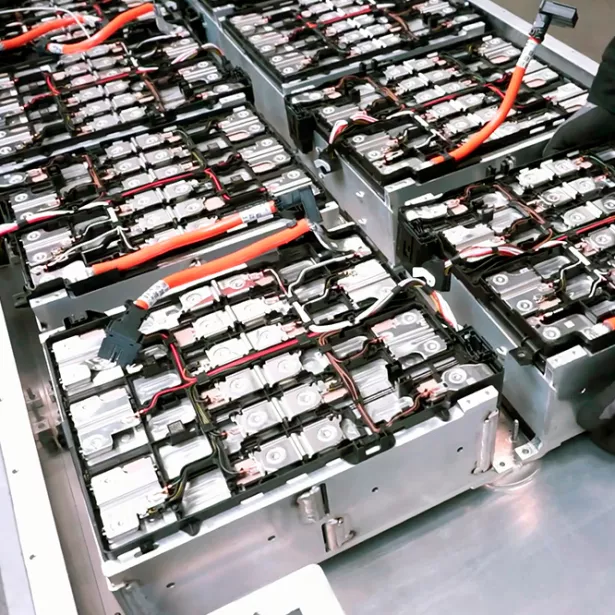
What Can We Help You Solve?
With decades of experience and specialized thermal, chemical, electrical, material, and mechanical expertise, our expert consultants support risk evaluations and failure analysis investigations to address critical safety and reliability issues for batteries in emerging humanoid robotics applications.
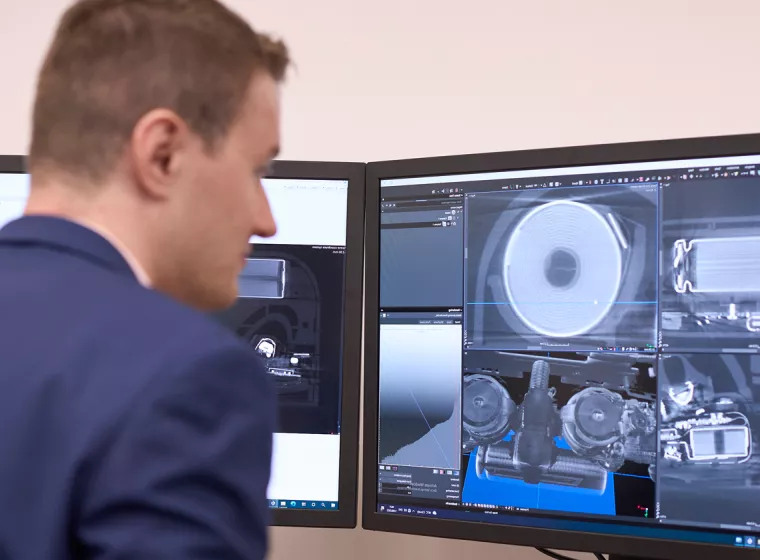
Battery Design Review, Quality & Safety Assessments
State-of-the-art battery design, performance, quality, and safety assessments to support manufacturers' requirements and industry standards.
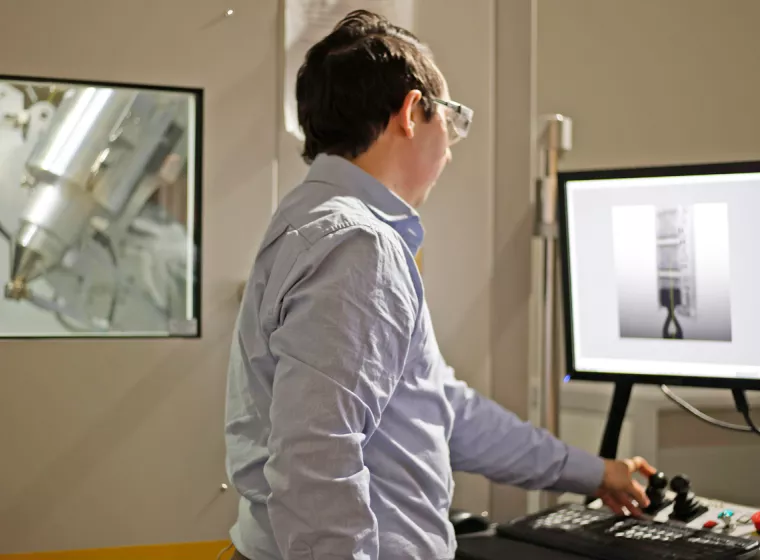
Custom Battery Testing
Custom product safety, performance, and industry certification battery testing services.
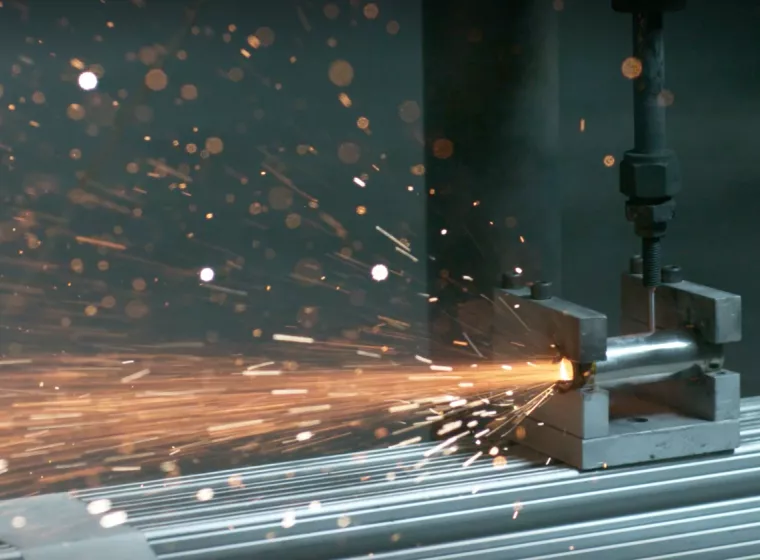
Battery Failure Analysis & Investigation
Comprehensive battery failure analysis to determine the root causes of failures and identify opportunities for mitigation.
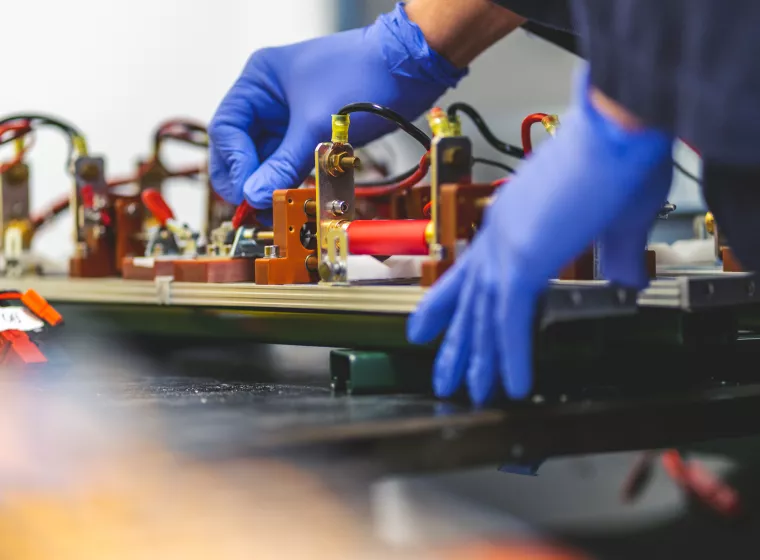
Battery Risk Assessments & Corrective Action
Li-ion battery risk assessment and corrective action services, including cost-effective tools for long-term monitoring.
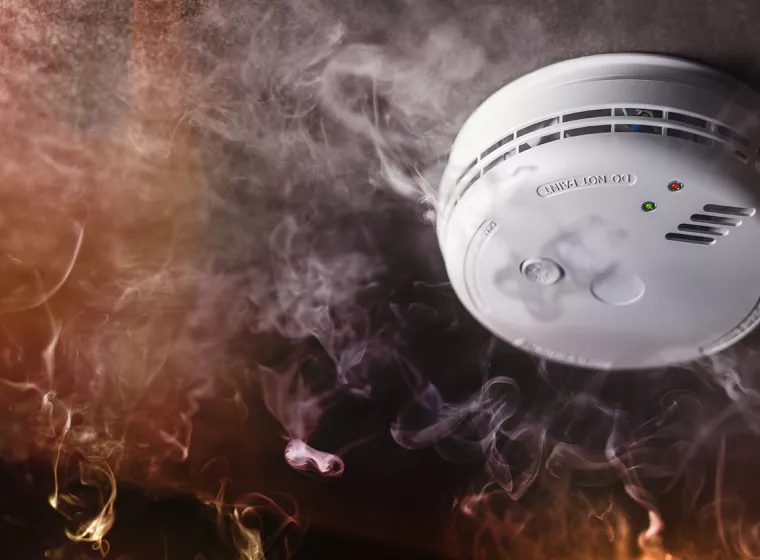
Consumer Product Safety Assessments: Thermal Sciences
Helping clients understand and adopt fire and chemical safety standards for consumer protection.
