
July 1, 2026
Authors


A new proposal from the U.S. Consumer Product Safety Commission would make currently voluntary standards requirements for e-mobility batteries
The U.S. Consumer Product Safety Commission (CPSC) has published a Notice of Proposed Rulemaking (NPR) for the testing and certification of battery packs used in e-mobility devices. The proposed rules include requiring adherence to UL standards, plus specifications for tamper-resistant battery packs, new post-discharge test requirements, and reverse polarity test requirements. If approved, these new rules will apply to battery packs included with e-bikes, scooters, unicycles, and other e-mobility devices. The CPSC is accepting written comments on the proposed rules until Aug. 24.
Currently, there are only voluntary standards in place that OEM's can use to guide the design and testing of their systems; however, the NPR proposes that these standards become required for any new e-mobility products entering the marketplace.
The goal of the CPSC action is to mitigate the risk of personal injury from thermal runaway of cells in the installed battery packs. Risks in these systems can be present at the component level (e.g., cells, electronic components) or at the system level (mechanical housing, ingress protection, electrical protections, etc.). As such, the commission has proposed a requirement that any new product be certified to UL 2849, UL 2271, or UL 2272, depending on the specific application.
In addition to these standards, the NPR also recommends implementing the following requirements:
- Tamper resistant battery pack enclosures to reduce the risk of user modifications and user access to cells within the packs.
- Post-discharge charge test requirements to reduce the risk of charging packs after extended storage periods and potential overdischarge of the cells. This test will include requirements for the BMS to prevent charging if any cell surface temperature exceeds the specified limit.
- Reverse polarity tests to reduce the risk of an incompatible or after-market charger being utilized with the battery pack.
Pending acceptance of the NPR, battery pack manufacturers and e-mobility product OEMs will need to design (or re-design) their products in accordance with these new regulations and requirements. Individual or fleets of products could be impacted, which increases the urgency for OEM's to consider design and testing timelines. Exponent is poised to assist with these challenges by performing design reviews, executing safety and abuse tests to provide guidance on potential risk areas for certification, and leveraging our extensive battery experience to make the certification process as smooth as possible for our clients. We provide a one-stop shop for battery and product manufacturers through connected, multidisciplinary teams spanning material science, electrical and mechanical engineering, and more.
What Can We Help You Solve?
Exponent's multidisciplinary battery experts can help clients navigate the certification process for micromobility products and their component battery packs, performing design reviews, safety/abuse testing, and performance testing and characterization in our labs across the world. Our regulatory experts can also help manufacturers interface with government agencies and certifying bodies on issues including battery design, performance, production, use conditions, and recycling/end-of-life plans.
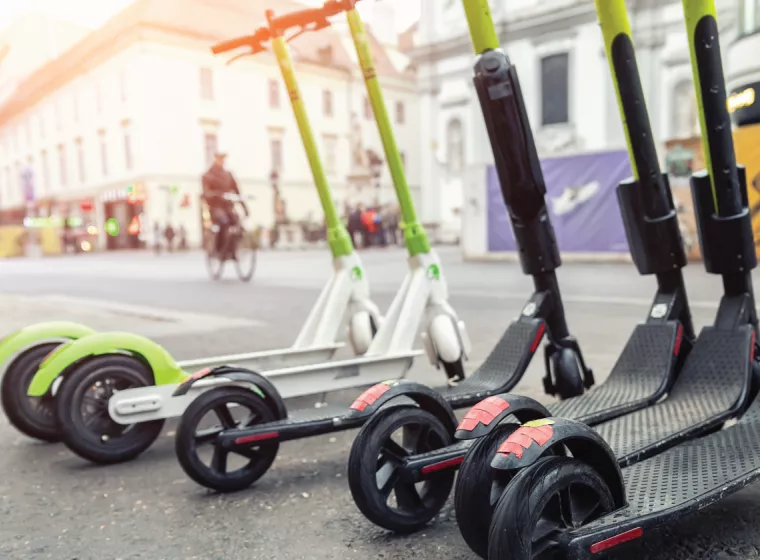
Micromobility Products
Exponent provides technical, regulatory, and biomechanical expertise for micromobility manufacturers and fleet operators.

Batteries & Energy Storage
Supercharge performance, reliability, and safety across all stages of the battery and energy storage product lifecycle.
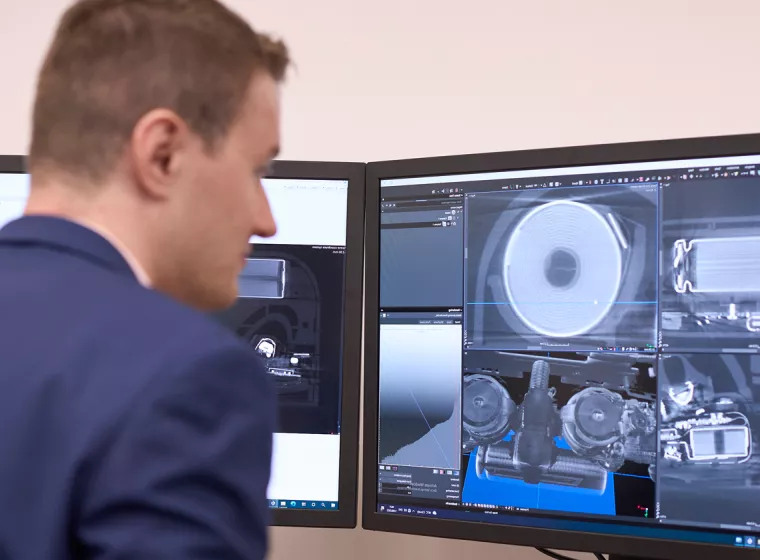
Battery Design Review, Quality & Safety Assessments
State-of-the-art battery design, performance, quality, and safety assessments to support manufacturers' requirements and industry standards.
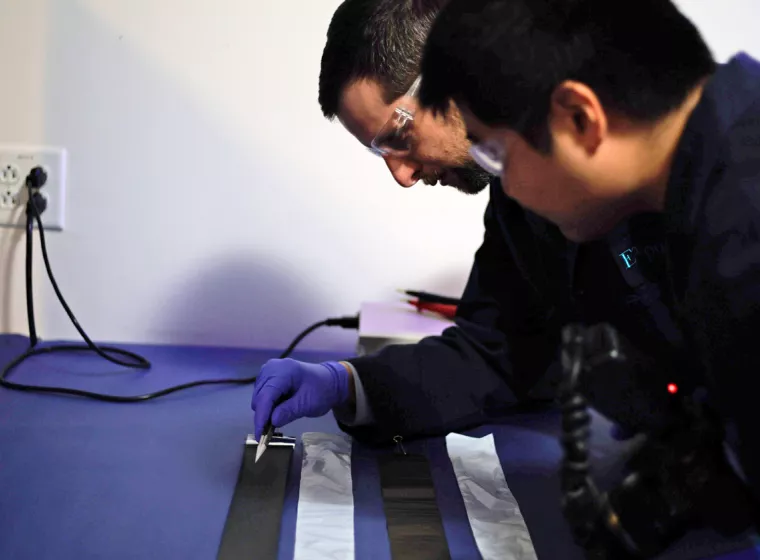
Battery Vendor Evaluation Services
Independent, objective analyses that empower innovative, reliable battery product journeys.
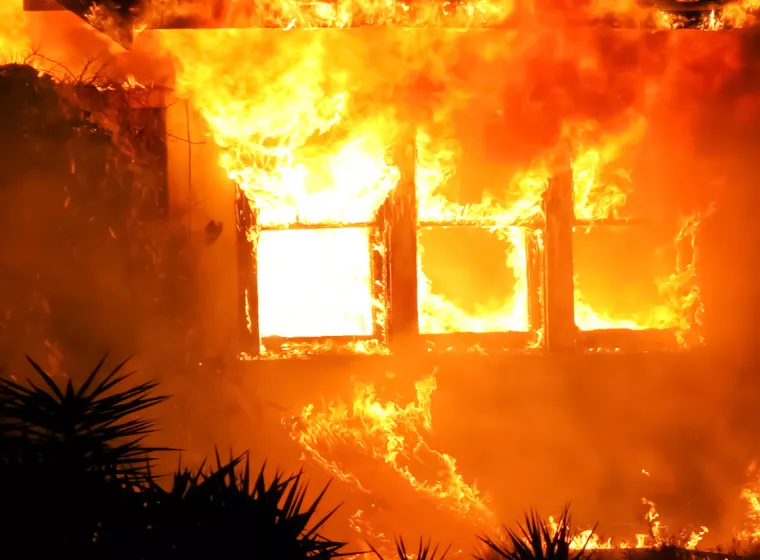
Fire & Explosion Investigations
In-depth field examinations and high-tech modeling and testing to determine the origin and cause of fires, gas explosions, dust explosions, and other explosions...
