October 12, 2026
Experts


Civil and structural engineers examine earthquake damage to help Venezuelan recovery efforts and advance research in earthquake engineering
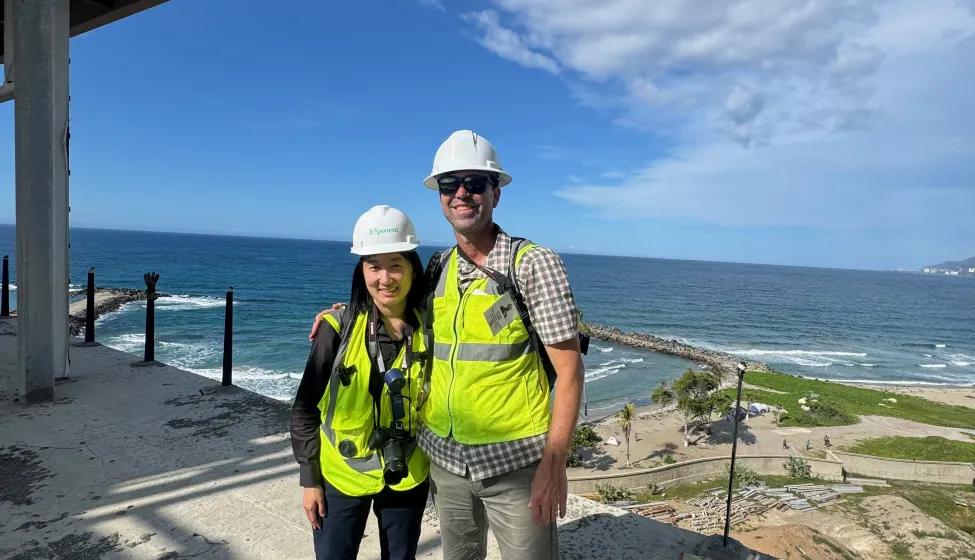
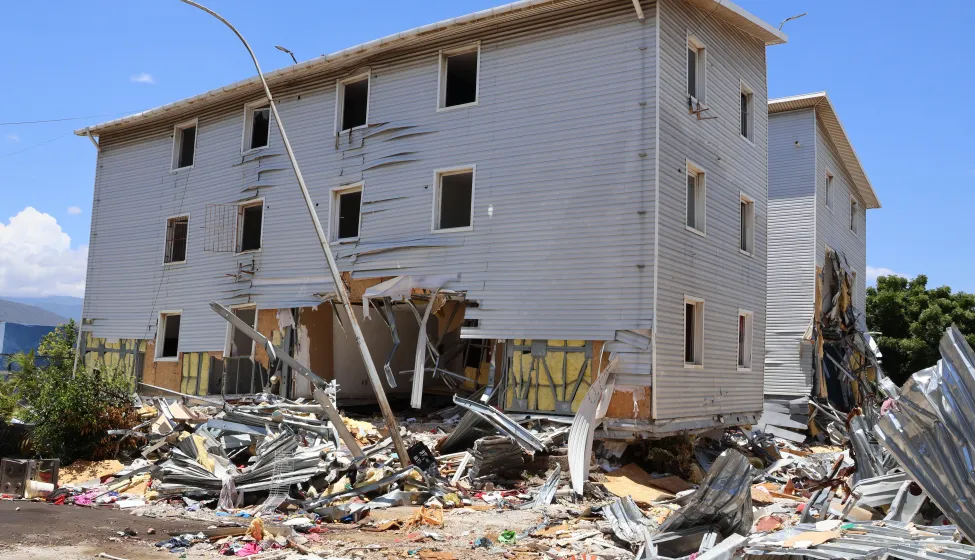
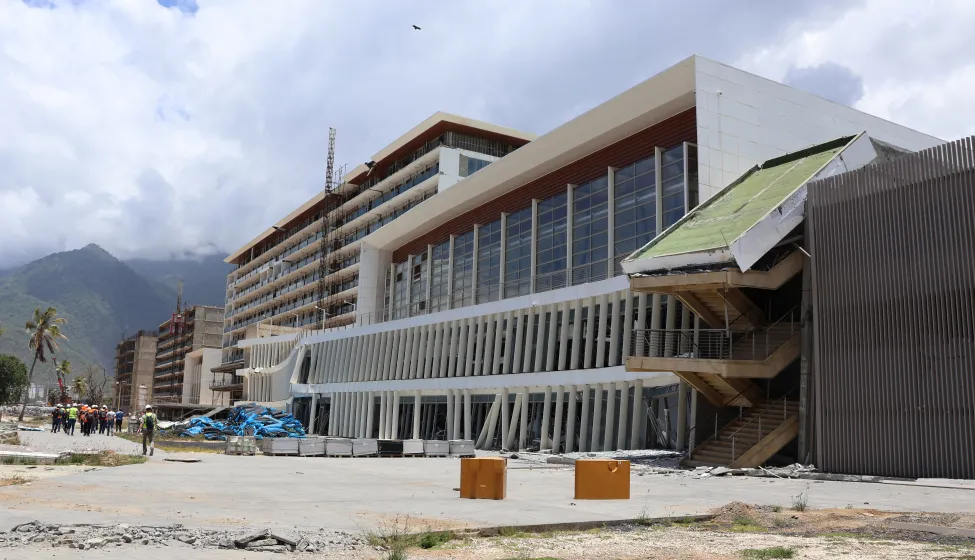
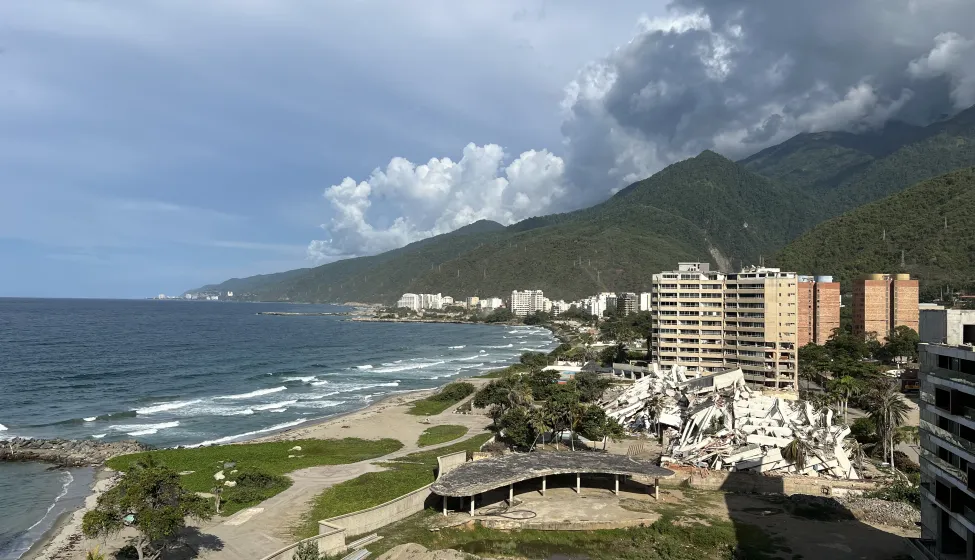
Exponent civil and structural engineering consultants Connie Chen, Ph.D., P.E., and Morgan Griffith, P.E., recently joined an Earthquake Engineering Research Institute (EERI) reconnaissance team to examine infrastructure damaged caused by the June 2026 Venezuela earthquakes. Over the course of a week, the consultants visited sites in Caracas and La Guaira, surveyed dozens of buildings, and spoke with residents and government officials. Alongside colleagues from academia and industry, they will share their findings via a report and upcoming webinar on November 12, 2026.
Venezuela's earthquakes
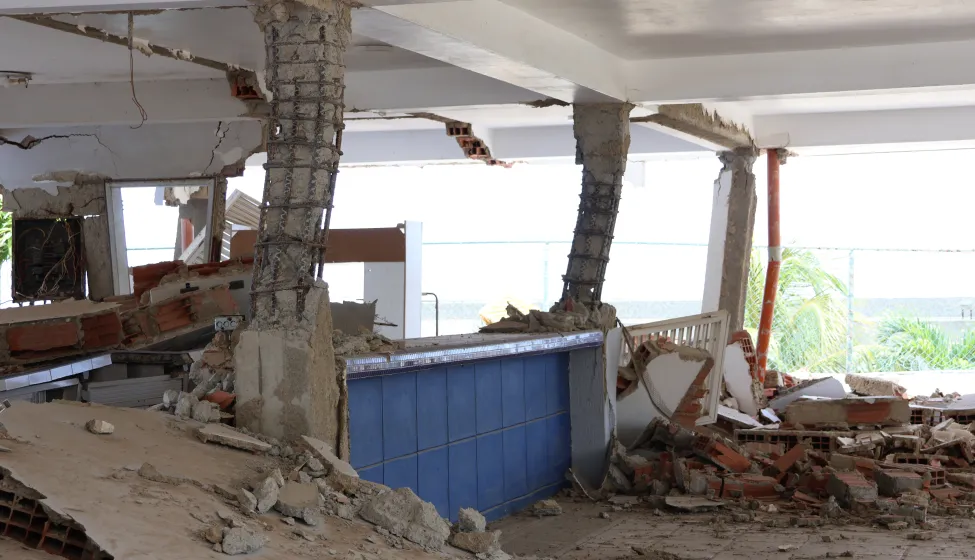
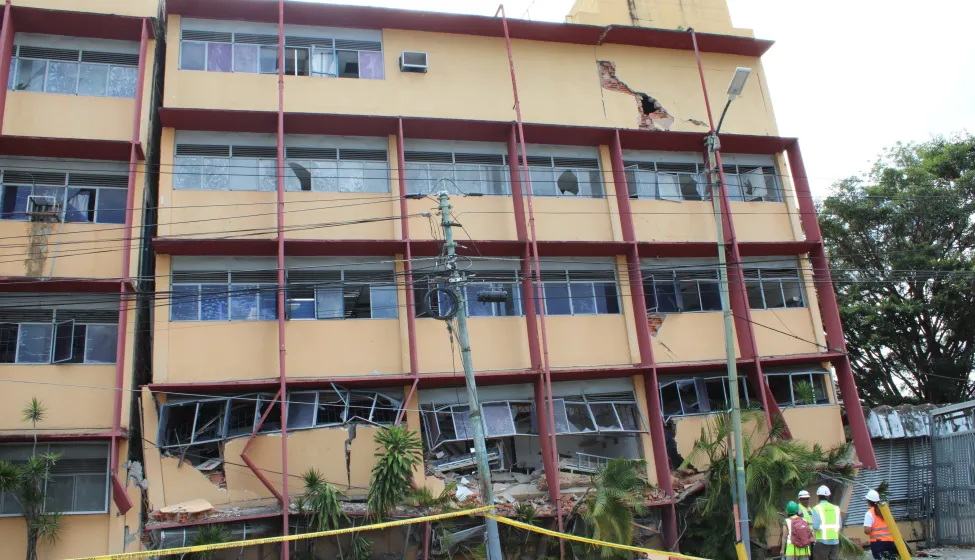
On June 24, 2026, two earthquakes of magnitudes 7.2 and 7.5 struck north-central Venezuela, causing widespread devastation across the affected region. A number of buildings in the capital city of Caracas were severely damaged, and buildings in the nearby coastal state of La Guaira experienced widespread structural damage and collapse. As of August 2026, at least 6,500 fatalities have been confirmed, 1.8 million people have been displaced, and tens of thousands remain missing.
Dr. Chen and Mr. Griffith visited sites of earthquake damage in Venezuela as part of EERI's Learning From Earthquakes (LFE) program, which studies and documents the impacts of earthquakes on structures and systems. The LFE program aims to use the data gathered during these surveys to help communities create more resilient infrastructure and emergency systems. As founding members of EERI's LFE Subcommittee on Housing, Dr. Chen and Mr. Griffith have a particular interest in the impacts of earthquakes on residential buildings and habitability challenges for communities following earthquakes.
"One of the ultimate goals of the program is to better understand, as engineers, what worked and what didn't in terms of building performance during an earthquake," Mr. Griffith said. "At Exponent we have unique experience studying how buildings become damaged, which is not something every structural engineer has. This is an opportunity to share that experience with the research community and government entities to help inform better building codes and construction practices in the future."
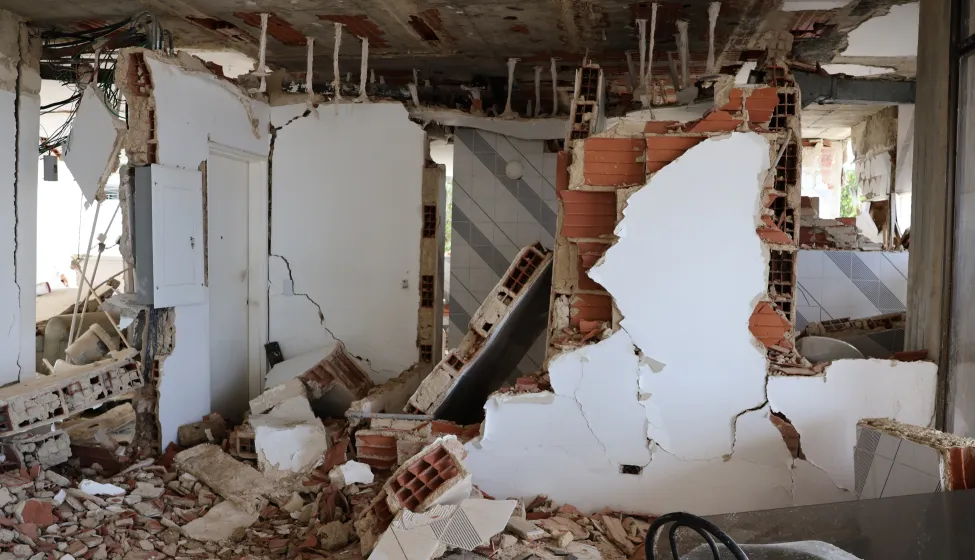
Dr. Chen and Mr. Grifith were joined by colleagues from universities and engineering firms from across the world, some of whom specialize in construction planning and techniques. The researchers discovered that a common residential building technique using reinforced concrete frames with unreinforced hollow clay tile infill walls failed at a high rate.
"We examined many mid-rise residential buildings that had structural and non-structural damage," Dr. Chen said. "Even in cases where the structure was only slightly damaged, the infill caused a lot of problems and in many cases, the loss of life."
Exponent's engineers and their EERI colleagues saw some of the most extensive earthquake damage in the country. "Being there in person really contextualized what we were seeing in media reports," Dr. Chen continued. "Often, the building inhabitants or former inhabitants were around to show us the property and give us more narrative about what they experienced. It was a great reminder of why earthquake engineering is so important, and how structural engineers can help prevent loss of life."
About EERI
The Earthquake Engineering Institute (EERI) is a world-leading nonprofit organization that focuses on earthquake risk and increasing earthquake resilience. The organization includes researchers, practitioners, and students in engineering, geoscience, social science, architecture, planning, government, emergency management, public health, and policy making.
EERI publishes its findings online for earthquake experts, engineers, and policymakers to review. The latest results of their findings on the June 2026 Venezuela earthquake can be found here.