June 22, 2026
Authors


Wearable devices have become increasingly prevalent across commercial fitness, clinical health, and performance applications, enabling continuous, non-invasive monitoring of physiological metrics such as heart rate. As these devices are integrated into military health monitoring and readiness workflows, understanding the accuracy and reliability of the data they produce is critical: errors in wearable-derived metrics can propagate through downstream algorithms and decision making, with meaningful consequences for warfighter health and mission readiness.
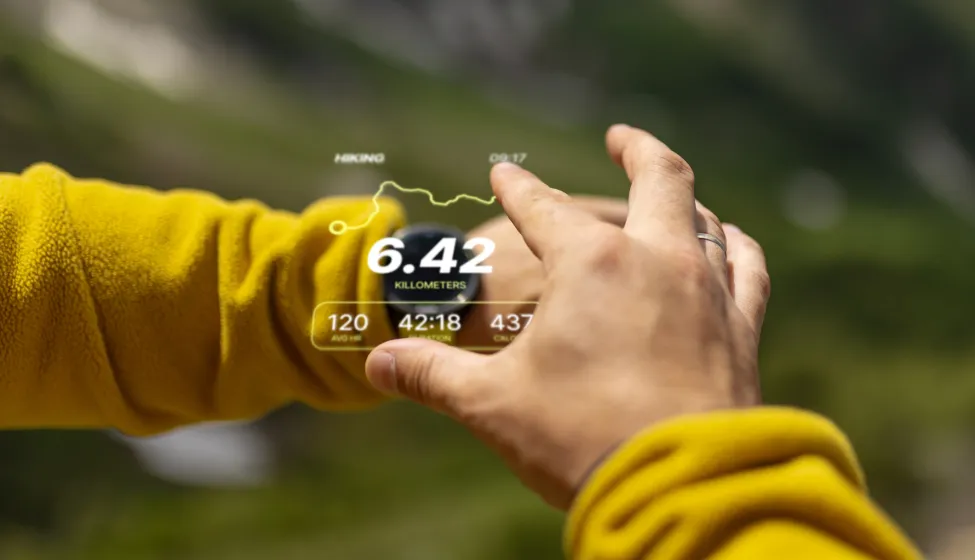
In their article "Laboratory-Based Wearable Heart Rate Data Efficacies for Informing Real-world Department of Defense (DoD) Wearables Decisions," published in the journal Military Medicine, Exponent's Nathan Knodel and Elizabeth Lu, and co-authors compare heart rate data efficacies from controlled laboratory protocols against those collected during Spartan Beast obstacle races — extreme endurance events used to approximate high-risk, unconstrained real-world environments. The study evaluated the Garmin fēnix 6X Pro Solar smartwatch against a Polar H10 chest strap as a ground truth reference across 70 participants aligned demographically with military profiles, assessing accuracy across a range of obstacle intensities and movement dynamics.
The study found that lab-based validation protocols are highly effective at predicting how devices perform in real-world moderate- and high-intensity situations, with heart rate accuracy metrics largely consistent between testbed and race environments at these intensity levels.
However, accuracy decreased as activity intensity increased, with the wrist-worn device consistently underestimating heart rate during high-intensity obstacles — a limitation with direct implications for monitoring warfighters in physically demanding operational settings. The authors conclude that existing lab-based standards provide a solid foundation for the evaluation of wearables for DoD use while recommending future refinements to better capture demographic diversity and movement dynamics specific to military applications.

"Laboratory-Based Wearable Heart Rate Data Efficacies for Informing Real-world Department of Defense Wearables Decisions"
Read the full article here
From the publication: "As wearable devices become more sophisticated and their capabilities more refined, expanded validation and comparison studies of wearable data efficacies across devices and novel settings will be necessary for a more comprehensive understanding of warfighter performance and health."
Insights