OUR PEOPLE
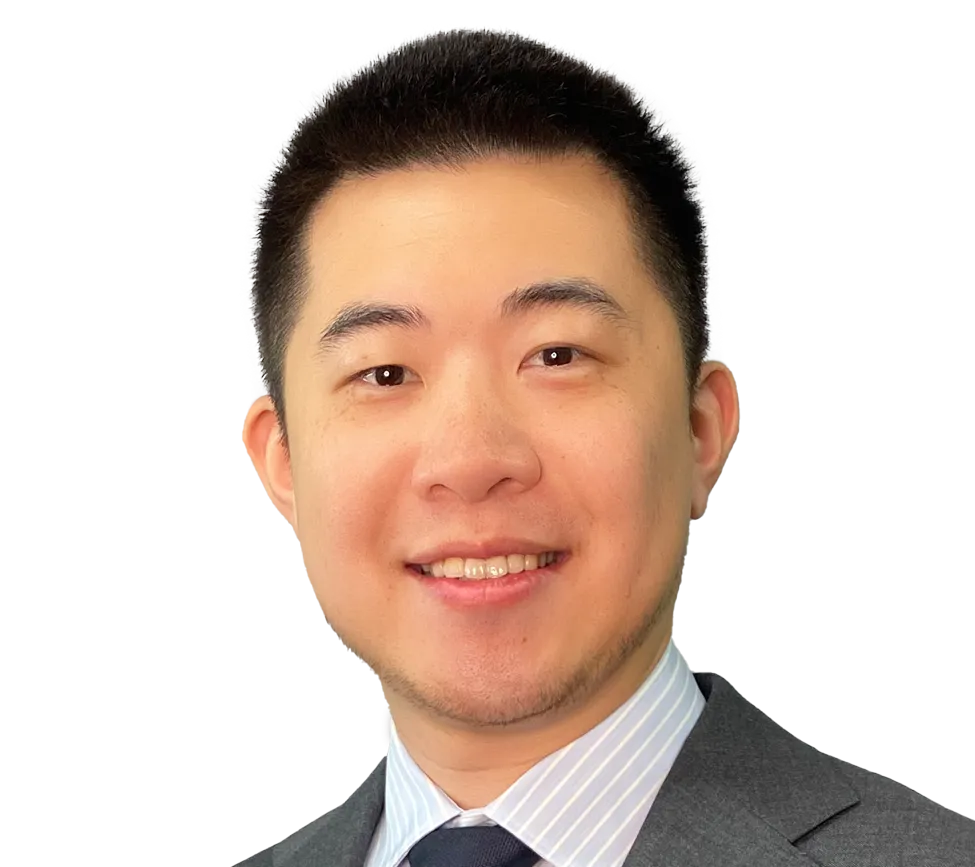
Dr. Wang specializes in tissue mechanics and injury biomechanics. He develops experimental and computational methods to characterize the material properties of soft biological tissues, and applies this knowledge to evaluate mechanical loading, identify failure mechanisms, and assess injury potential. His work is highly interdisciplinary, involving collaborations with clinicians, pathologists, and imaging specialists to bridge engineering principals with real-world biomechanics challenges in injury assessments and medical device evaluations.
Dr. Wang has extensive experience in material testing of biological tissue, image-based modeling, finite element analysis (FEA), and sensor systems for biomechanical evaluation. He has also designed and implemented custom testing protocols and fixtures to replicate physiological loading conditions. By integrating these skills, he provides comprehensive analyses that link experimental findings with real-world injury scenarios.
Prior to joining Exponent, Dr. Wang was a Graduate Research Assistant in the Cardiovascular Pathomechanics Laboratory at Texas A&M University. In his doctoral research, Dr. Wang developed and validated a novel computational framework for characterizing arterial material properties from imaging data. He applied this framework to quantify multi-component material properties in human coronary arteries and investigate predictive stiffness values for plaque rupture — the primary cause of heart attacks. Dr. Wang also completed a post-baccalaureate fellowship with Rice360 Institute for Global Health Technologies, where he contributed to the development of medical technologies for neonatal health in low-resource settings in sub-Saharan Africa. In this role, he gained extensive experience in medical device research and development (R&D), needs finding, usability testing, and design for global health applications.