September 24, 2026
Authors


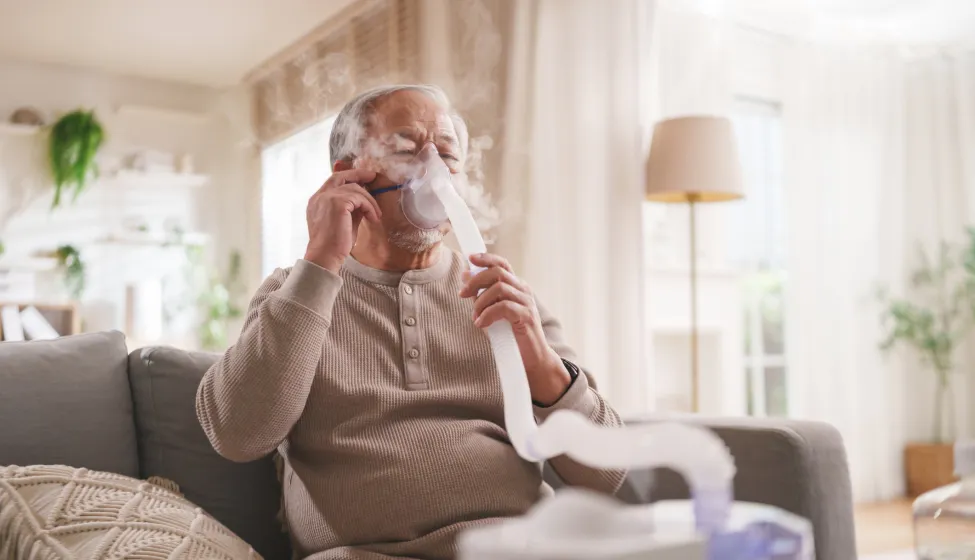
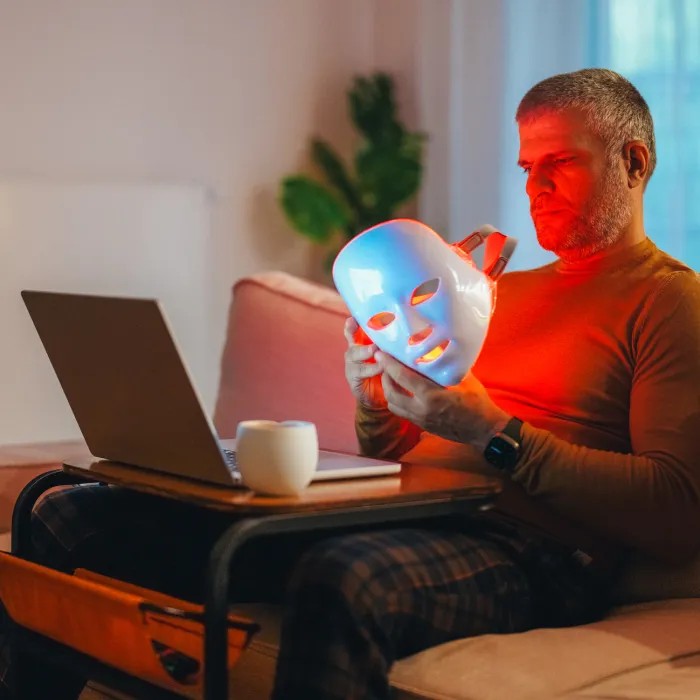
Medical devices are increasingly used outside traditional clinical settings, placing more responsibility for their operation in the hands of patients and caregivers. Unlike hospitals and other controlled healthcare environments, homes can introduce greater variability in how devices are used. Understanding potential usability challenges involves considering three components of the device-user system: the device user, the use environment, and the device-user interface.
In a new study, "Risks and Usability Challenges in the Use of Medical Devices in the Home Setting/Environment," published in the Proceedings of the Human Factors and Ergonomics Society Annual Meeting, Exponent's Sangeeta Abraham and Regan Lawson with coauthor Kevin Ong provide a review of the degree to which published literature assesses use-related risks and/or identifies usability challenges for various home-use medical devices.
The authors conducted a systematic literature review of English-language human studies published from 2019 through May 2024, excluding review articles, non-clinical bench studies, and studies involving fully implantable devices, apps, or pediatric patients. Of 628 titles initially screened, 55 studies met the inclusion criteria.
More than one-third of the reviewed studies, approximately 38%, did not describe or discuss any usability challenges, while only six of the 55 studies addressed all three components of the user, use environment, and device-user interface. Notably, nearly half identified the device-user interface as a potential source of usability challenges.
The review found that factors related to users, their environments, and device interfaces can affect the use of medical devices outside controlled clinical settings. The authors conclude that considering these factors during product design can help identify use-related risks and inform mitigation strategies earlier in development.
Human factors and usability expertise can help evaluate how intended users interact with medical devices in real-world environments, providing insight to inform product design, usability testing, and safety assessments.
"Risks and Usability Challenges in the Use of Medical Devices in the Home Setting/Environment"
Read the full article here
From the publication: "The intended user, use environment, and user interface should be considered together to understand the overall safety and effectiveness of a home use medical device."