
September 24, 2026
Authors




First revision since 2016 aligns key terminology, risk management, and documentation with current standards and FDA guidance
On Aug. 3, 2026, the U.S. Food and Drug Administration (FDA) issued a revised version of Applying Human Factors and Usability Engineering to Medical Devices, marking the first update to the foundational human factors guidance since it was published in 2016. The revision does not substantially change FDA's approach to human factors engineering (HFE) during medical device development. It updates terminology and definitions, aligns the document with current quality management and risk management standards, and revises FDA's recommendations for documenting HFE activities.
Key areas for manufacturer review
- Relevant areas for review include HFE procedures and terminology, use-related risk analysis (URRA) and risk management documentation, validation protocols and reports, HFE/UE report templates, and references to the former Appendix A or outdated quality system language.
- The August revision and May 2026 companion guidance clarify the relationship between HFE activities conducted during device development and the information provided in marketing submissions.
- Reviewing existing materials against both documents can help maintain consistency across human factors, risk management, quality, and regulatory activities.
Updated definitions reflect current standards
Among the most notable changes is an expanded and revised definitions section. FDA added terms including harm, normal use, residual risk, serious harm, serious injury, use environment, and URRA. The agency also updated definitions for formative evaluation, HFE, task, and user interface to reflect current usability engineering and risk management standards.
The guidance also replaces "risk management measures" with "risk control measures," consistent with ISO 14971. Although this change does not substantially alter the HFE process, it may affect the terminology used in procedures, risk analyses, protocols, and reports. Consideration for how human factors activities connect with other risk management assessments and documentation can assist with consistency between documents. Consistent language across URRAs, risk analyses, design records, and validation reports can make the rationale for selected risk controls easier to trace back to the guidance document.
Core HFE expectations remain largely unchanged
The guidance continues to focus on identifying use-related hazards, characterizing intended users and use environments, evaluating critical tasks, and validating that the final user interface supports safe and effective use.
Human factors validation testing also remains central, with representative intended users, realistic use conditions with a final device user interface, and testing protocols that include and assess performance of critical tasks. While organizations with established HFE programs based on the 2016 guidance may not need broad process changes, review of terminology, risk analyses, protocols, and reports may assist in ensuring consistency with the revised guidance.
Documentation recommendations now point to companion guidance
FDA revised Section 9, "Documentation," and removed Appendix A, which previously provided a recommended structure for an HFE/UE report. For recommendations on the human factors information to include in marketing submissions, FDA now directs manufacturers to its "Content of Human Factors Information in Medical Device Marketing Submissions." This companion document provides a risk-based approach to describe the level of information FDA expects for 510(k), De Novo, PMA, and other applicable submissions.
The two documents have distinct roles: the August revision of the Human Factors Guidance document addresses HFE during device development and risk management, while the May document for Medical Device Marketing Submissions addresses the information FDA expects to be included within a marketing submission. Organizations that relied on the former Appendix A structure may want to compare that HFE/UE report template with the submission procedures provided within the May recommendations.
Quality system references reflect current requirements
The update also modernizes references to FDA's quality system requirements. The 2016 guidance was issued under the former Quality System Regulation; FDA now operates under the Quality Management System Regulation (QMSR), which incorporates ISO 13485:2016. The revised text reflects that transition through updated terminology, including references to the design and development file.
These changes create another point of alignment between HFE procedures and current quality system terminology.
What Can We Help You Solve?
Exponent helps medical device manufacturers evaluate and apply human factors engineering throughout product development and regulatory planning. Our experts support use-related risk analyses, formative and validation study design, usability testing, HFE documentation, and regulatory strategy to help organizations align existing programs with current FDA expectations.

Human Factors
Comprehensive human factors support, including for making products safer, improving work environments, investigating accidents, and informing product design.

Regulatory Compliance for Medical Products
Experienced regulatory support for medical devices, pharmaceuticals, and combination products.
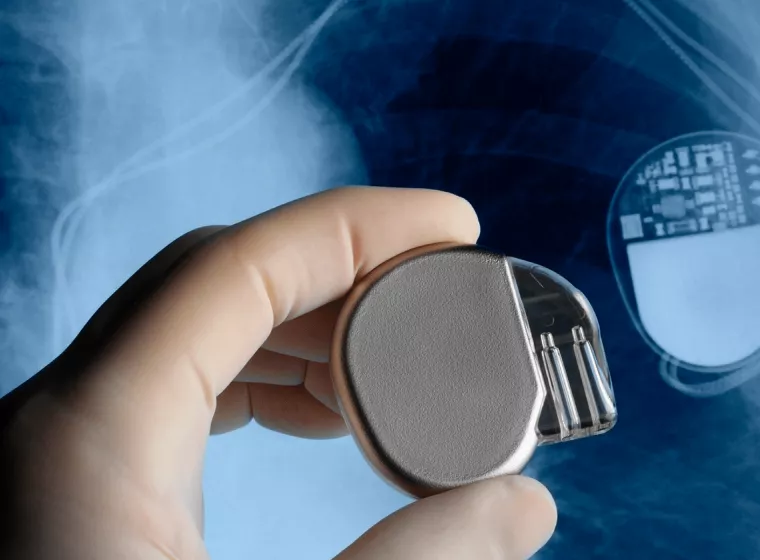
Biomechanical Expertise for Clinical Technologies
Evaluate medical devices and technologies with a top-tier, multidisciplinary approach.
![User Research & Testing [HF]](/sites/default/files/styles/cards_home_card/public/media/images/GettyImages-1338374024.jpg.webp?itok=bBXBoCIg)
Medical Device Usability Testing
Extensive human factors evaluations for medical device manufacturers in developing and navigating regulatory roadmaps.
Medical Device Design & Development Support
Crucial medical device design and development analyses to empower your decision-making.
![Medical Devices [EECS]](/sites/default/files/styles/cards_home_card/public/media/images/GettyImages-523306516.jpg.webp?itok=4e0Y2HMn)
Safety and Biocompatibility of Medical Devices & Products
Gain insights into the biocompatibility and regulatory requirements of medical devices and implants.

Human Factors Risk Assessments
Assess human factors risks for consumer products, industrial equipment, processes, and more.
Improve User Research & Testing
Human factors investigations for data-driven product and process design decisions.