OUR PEOPLE

Ariel Dowling
Ph.D.
Principal
Ariel Dowling, Ph.D., is a principal in the Biomechanics practice at Exponent with more than 15 years of experience in wearable technology, medical devices, and digital health solutions. She specializes in digital biomarker development and FDA endpoint approval, decentralized clinical trial design and execution for drug development, verification and validation for digital health technologies (DHTs) and algorithms, AI algorithms for health metrics in wearable devices, and IP disputes involving healthcare wearables.
Dr. Dowling is a data science subject-matter expert with extensive experience in the development and deployment of digital biomarkers for drug development clinical trials. Her skills include creating novel machine learning algorithms for digital device data, conducting usability and validation testing with digital devices for fit-for-purpose applications, assessing the feasibility/capability of device vendors, and advising on regulatory considerations for digital health applications.
Dr. Dowling is one of the founding members of the Digital Medicine Society (DiMe), a global nonprofit driving the adoption of digital approaches to advance medicine and improve public health. She is a co-author of the V3 framework (verification, analytical validation, and clinical validation), which is the primary international resource for evaluating DHTs to determine fit-for-purpose applications in clinical use cases throughout the healthcare value chain. She also serves on the external advisory committee for the Stanford Mobilize Center.
Digital biomarker development and FDA endpoint approval
Dr. Dowling has created and validated digital biomarkers for use as clinical trial endpoints, including in rare disease indications. Her work has focused on translating high-frequency digital signals into clinically meaningful endpoints through rigorous analytical methods and confirmatory validation studies. Her understanding of Food and Drug Administration evidentiary requirements and qualification processes helps these digital biomarkers meet regulatory standards for reliability, clinical relevance, and patient benefit.
Decentralized clinical trial design and execution for drug development
Dr. Dowling has led a variety of drug-development decentralized clinical trials (DCTs). She has designed and executed both hybrid and fully virtual clinical trial protocols that leverage telemedicine, remote monitoring with digital devices, and digital data capture while maintaining data quality and regulatory compliance. She has also developed biostatistical analysis plans to validate digital endpoints in DCTs.
Verification and validation for digital health technologies and algorithms
Dr. Dowling has developed digital health technology strategies for clinical programs across multiple therapeutic areas and conducted verification and validation testing of novel digital devices against gold standards for use in clinical investigations. She has designed and executed rigorous testing frameworks for test devices/algorithms, established acceptable performance metrics, and applied statistical and clinical validation methods to confirm technical functionality and clinical relevance. Dr. Dowling has also overseen algorithm performance endpoint testing and documentation for successful FDA 510(k) submissions.
AI algorithms for health metrics in wearable devices
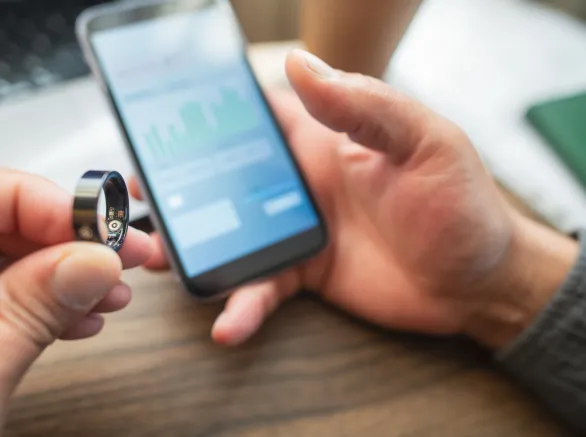
Dr. Dowling's extensive expertise in data science includes the use of machine learning and AI for wearable device data. Her previous AI algorithm design work combines data science, biomedical signal processing, and embedded system design to develop algorithms that extract accurate, meaningful health insights from continuous sensor data. She has designed machine learning and physiological models that detect, classify, and predict health metrics in real time, such as classifying activities of daily living, identifying disease status, and predicting future disease symptoms. Her deep understanding of clinical validation, regulatory expectations, and device integration helps ensure that her AI-driven algorithms are reliable, interpretable, and suitable for use in both consumer and clinical settings.
IP disputes involving healthcare wearables
Dr. Dowling has experience in intellectual property (IP) disputes involving both consumer and medical wearable devices. She has analyzed wearable device algorithms and output data for issues involving patent originality, infringement, and reduction to practice within the complex patent landscape of digital health. Her knowledge supports litigation cases involving strategic IP protection and dispute resolution by bridging the technical nuances of algorithm design with the legal frameworks that govern healthcare technology innovation.