
February 2, 2026
Author

A recognized cause of long-term failure in orthopedic prosthetic joint replacements is inflammation triggered by wear debris generated by articulating components. Implantable polycarbonate urethane (PCU) has shown low wear and minimal biological response in several orthopedic applications; however, its performance as a joint replacement bearing material continues to be studied.
When considering a material for use as a bearing surface in joint arthroplasty, biocompatibility in the particulate form is important, but reliably simulating and testing wear particles can be challenging. Exponent's Ryan Siskey and co-authors brought their testing and characterization expertise to the task in their study "The In Vivo Biological Response to Intra-Articular Injected Polycarbonate Urethane Wear Debris Particles," published in the Journal of Biomedical Materials Research Part B: Applied Biomaterials.
In this preclinical study, the authors intentionally focused primarily on submicron polycarbonate particles — the size range historically associated with increased inflammatory potential and adverse tissue responses. To simulate exposure, sterile PCU and conventional polyethylene wear particles were produced in the laboratory, characterized for size and morphology, and then introduced directly into a rabbit knee joint. After three months, the joint tissues were examined microscopically and showed little to no inflammation when compared to the study controls. Further investigation will be needed to validate the performance under clinical conditions.
Their study demonstrates the ability to use bench top wear testing results for new and unstudied biomaterials to create controlled particle samples that can be used for comprehensive biocompatibility assessments. This study aligns with micro- and nanoplastics research, where particle size and characterization are critical to interpreting biological effects. As outlined in Exponent's article, Microplastics Testing Explained, submicron polymer particles present shared analytical and interpretive challenges across biomedical and environmental contexts.
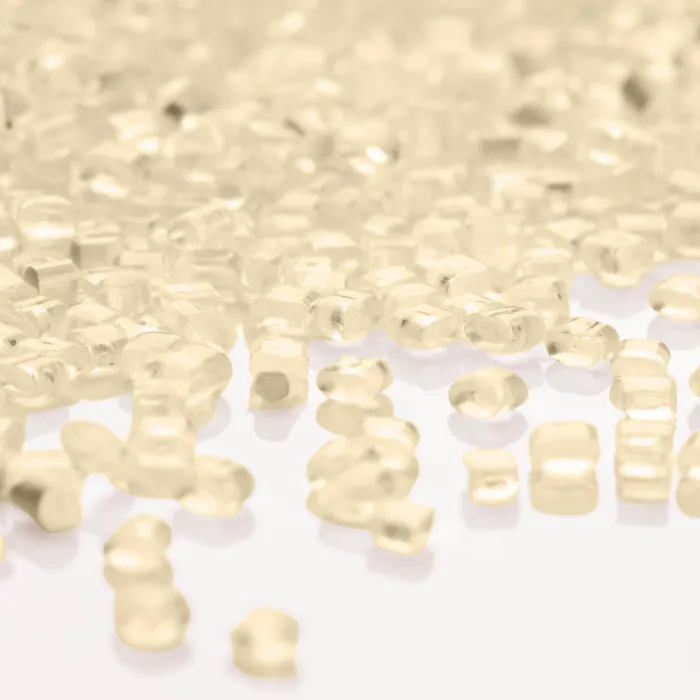
"The In Vivo Biological Response to Intra-Articular Injected Polycarbonate Urethane Wear Debris Particles"
Read the full article here
From the publication: "The generation of wear particles under dry conditions accelerated the process while also offering the advantage of avoiding microbiological contamination for subsequent sterile injection."
