April 27, 2026
Authors






ARPA-H launches a new federal research program STOMP to quantify, track, and remove microplastics from the human body
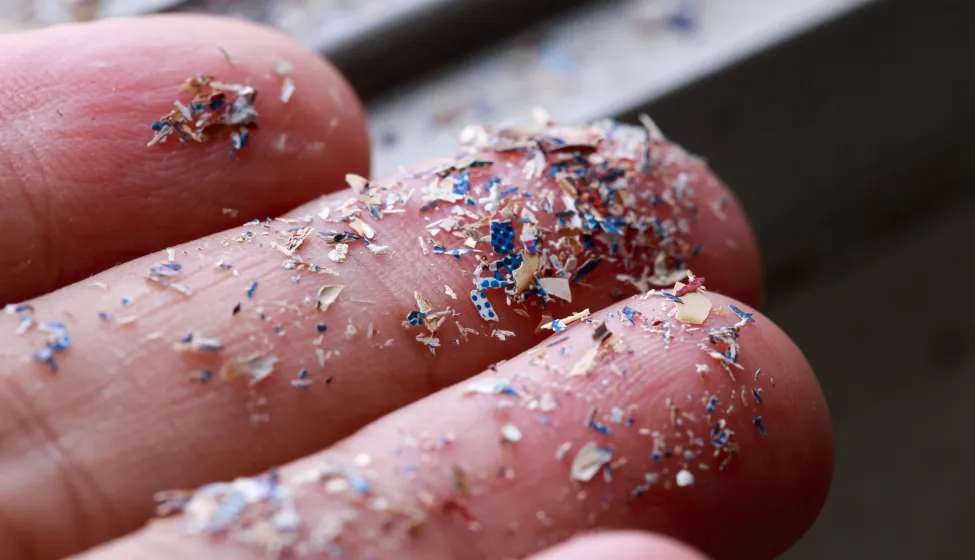
The U.S. Department of Health and Human Services' (DHHS) Advanced Research Projects Agency for Health (ARPA-H) has launched STOMP — Systematic Targeting of Microplastics — a research program to accelerate solutions to detect, characterize, and mitigate microplastics and nanoplastics (MNPs) in the human body. Supported by up to $144 million in funding, the program reflects the growing federal focus on microplastics as a potential public health concern and highlights federal commitments to evaluate potential MNP regulations.
Despite increasing reports of microplastics in human tissues, key data gaps and questions remain regarding their presence, distribution, biological effects, and potential for removal. STOMP is purported to address these gaps through a programmatic approach that advances measurement technologies, identifies priority particles and exposure pathways, and develops methods to reduce or eliminate microplastics from the body. The program will have oversight from DHHS program managers who guide the selection of researchers, technical approaches, and research milestones. There will also be interagency coordination with technical staff from the U.S. Environmental Protection Agency (EPA) and Centers for Disease Control and Prevention (CDC).
Signals from U.S. regulatory and public health agencies suggest renewed interest
There is a growing interest in microplastics and the potential associated human health risks across U.S. federal agencies, however, as with many emerging contaminants, the science related to human health risk is still unclear. STOMP is the first large-scale federal program explicitly evaluating microplastics as a human health concern rather than strictly an environmental contaminant. Funding includes grants for multidisciplinary teams spanning areas such as analytical chemistry, toxicology, and engineering, as well as program management and integration activities. ARPA-H is soliciting proposals through its Innovative Solution Opening (ISO) process starting with solution summaries due on May 6th. Other federal agencies are also moving forward with MNP-focused initiatives, including proposed listing of microplastics on the EPA Office of Water Candidate Contaminant List, which, if passed, would prompt analytical testing for MNPs in drinking water systems and the development of health-based standards. The CDC formed a Microplastics Working Group in 2020, but the topic does not appear to currently be high priority for the agency. The U.S. Food and Drug Administration (FDA) has acknowledged the need to monitor MNP presence in food but maintains that the "current scientific evidence does not demonstrate that levels of microplastics or nanoplastics detected in foods pose a risk to human health." STOMP research may serve to fill key data gaps, inform regulations, and public health initiatives across a wide range of government sectors and industries.
Impacts on industry
As part of a broader federal effort to address microplastics, the U.S. EPA recently included microplastics as an emerging contaminant in drinking water. Together, these efforts demonstrate how the prioritization of federal research money through STOMP reflect increasing regulatory and scientific focus on microplastics exposure and potential health risks. It is critical that sound science informs regulatory, public health, and corporate and legal strategies. Monitoring and/or participating in the STOMP program may provide insight into the technical approaches and priorities.
For companies producing consumer goods — including food-contact materials and personal care products — the program may accelerate the development of analytical methods, exposure data, and risk frameworks that inform future regulatory and litigation activity. Law firms monitoring drinking water contaminants and emerging health risks can also watch this program to track developments.
What Can We Help You Solve?
Exponent's multidisciplinary teams support clients in evaluating emerging contaminants such as microplastics. Our expertise spans analytical methods, materials characterization, exposure assessment, and toxicology, helping clients assess potential risks, track and interpret evolving science, identify and prioritize data gaps, and support corporate, regulatory, and litigation strategies.

Plastics in the Environment
Develop proactive plans to mitigate the environmental impact of polymer and plastic waste.
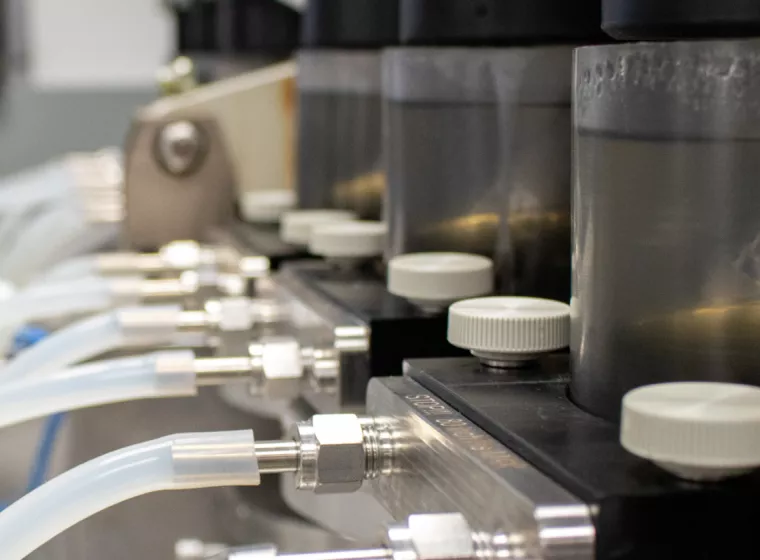
Biocompatibility & Biological Risk Assessment
Address biocompatibility challenges throughout the medical-device product lifecycle.

Polymers Expertise for Consumer Products
Rigorous testing and analysis of polymers in consumer products.
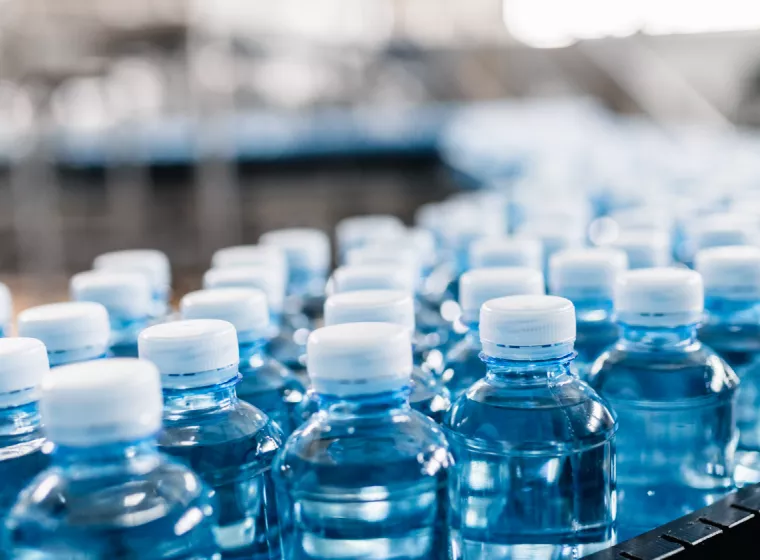
Polymers Used for Food & Beverage Packaging
Create safer, compliant, and high-performing food and beverage products.

Toxicology & Human Health Risk Consulting
Exponent's toxicologists evaluate exposure and adverse health to support safety, regulatory, and product decisions.
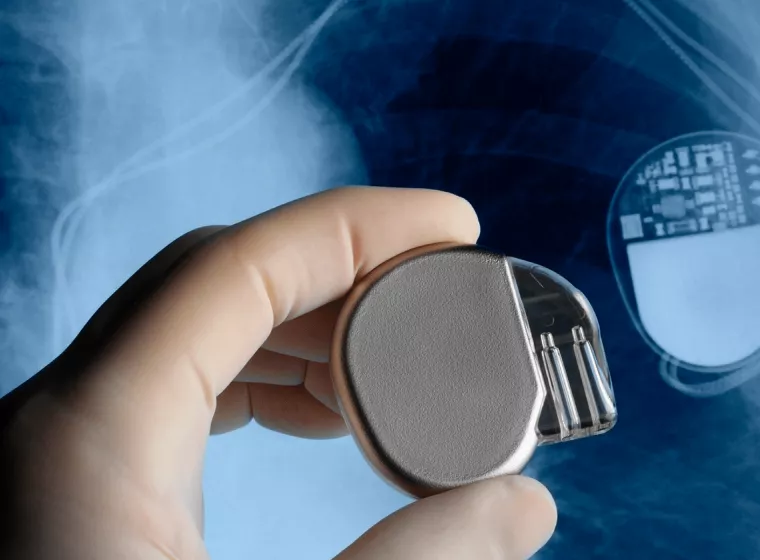
Retrieved Device & Tissue Analysis
Retrieved device and tissue analysis to support medical device development and post-market surveillance.
