November 19, 2026
Authors


Manufacturers placing machinery on the EU market face updated safety, conformity assessment, cybersecurity, and documentation requirements beginning January 20, 2027
On Jan 20, 2027, Machinery Regulation (EU) 2023/1230 will replace the EU Machinery Directive 2006/42/EC, establishing updated requirements for machinery, related products, and partly completed machinery placed on the EU market. The Regulation responds to gaps identified under the existing Directive and reflects the increasing use of artificial intelligence (AI), software, connected technologies, and other advanced functionality in machinery.
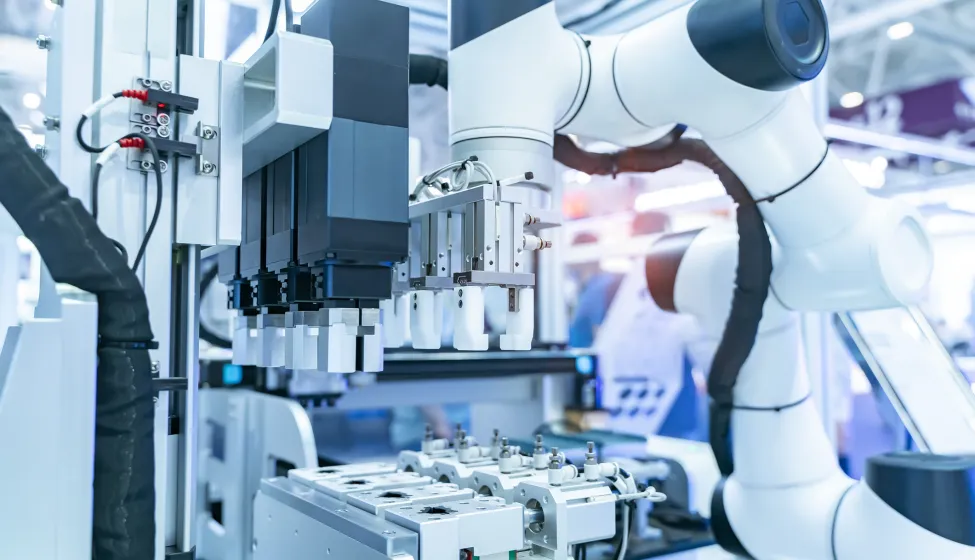
The Regulation applies broadly across machinery and related products, affecting manufacturers of products ranging from industrial robots and autonomous mobile robots (AMRs) to machine tools, packaging and lifting equipment, safety components, construction machinery, logistics equipment, and other machinery sold or operated in the EU. For OEMs with products entering the EU market on or after Jan 20, 2027, preparation may include reviewing product classifications, safety requirements, conformity assessment pathways, and supporting technical documentation.
What is changing under the EU Machinery Regulation?
Many core concepts of EU machinery compliance remain, including conformity assessment, technical documentation, EU declarations of conformity, and CE marking. However, Regulation (EU) 2023/1230 introduces important changes affecting how manufacturers, importers, and distributors must demonstrate machinery safety for products placed on the EU market.
Among the key developments:
- New and emerging technologies: Software performing safety functions is expressly addressed, while certain safety components or embedded systems with fully or partially self-evolving behavior using machine learning are classified within the Regulation's high-risk machinery framework. For manufacturers of AI-enabled machinery, including intelligent robots, these provisions add another regulatory consideration to the evolving landscape around physical AI safety.
- EU Digital Omnibus on AI amendment: With the EU Digital Omnibus on AI as Regulation (EU) 2026/1744 entering into force on Jul. 27, 2026, the Machinery Regulation serves as the primary framework for integrating AI-related product safety requirements under the EU AI Act's sectoral approach. Until AI-specific harmonized standards or common specifications are adopted under the Machinery Regulation, existing harmonized standards under the EU AI Act may be used temporarily to demonstrate conformity. The new application date for product-related high-risk AI systems is Aug. 2, 2028.
- Cybersecurity and software integrity: The Regulation introduces requirements addressing how corruption of or interference with connected machinery can affect safety, reflecting increasing interaction between machinery safety and cybersecurity.
- High-risk machinery and conformity assessment: Machinery categories listed in Annex I (formerly Annex IV in 2006/42/EC) are now divided into Parts A and B and include products and safety components such as vehicle servicing lifts, portable cartridge-operated fixing machinery, certain woodworking saws, and logic units that perform safety functions. Conformity assessment requirements vary depending on the applicable category and pathway. For example, involvement of a Notified Body is required for Annex I Part A machinery or related products, and manufacturers can no longer rely on self-declaration (internal production control), which the Machinery Directive (2006/42/EC) allowed for certain Annex IV categories where harmonized standards were fully applied.
- Substantial modifications: Physical or digital modifications to machinery can trigger manufacturer obligations where the modification meets the Regulation's definition of a substantial modification.
- Digital documentation: Instructions for use and declarations of conformity may be provided digitally under specified conditions, reflecting the Regulation's broader modernization of machinery compliance.
- EU-wide application: As a Regulation, it applies directly in every Member State with no national transposition required as a directive would need.
Next steps for machinery manufacturers
Jan. 20, 2027 marks the end of a 42-month transition period, at which point Regulation (EU) 2023/1230 becomes fully applicable and Machinery Directive 2006/42/EC is officially repealed. Machinery placed on the EU market before this date remains governed by Directive 2006/42/EC, while any new machinery placed on the market on or after Jan. 20, 2027 must comply with the updated requirements under Regulation (EU) 2023/1230.
As the end of the transition period approaches, manufacturers are expected to have identified affected products and evaluated how the new requirements may change existing compliance approaches. Key considerations include reviewing applicable essential health and safety requirements, identifying relevant harmonized standards (when made available), evaluating AI, cybersecurity and software-related safety risks, determining the appropriate conformity assessment pathway, and reviewing the technical evidence and documentation used to demonstrate compliance. Currently, no official list of standards harmonized under the machinery regulation is available and, given the January 2027 deadlines, there may be risks for economic operators looking toward the Part B self-assessment pathway.
For machinery subject to third-party conformity assessment, early evaluation can also help identify technical testing, risk assessment, or documentation gaps before engagement with a Notified Body.
What Can We Help You Solve?
Exponent's multidisciplinary scientists and engineers help machinery manufacturers and stakeholders navigate complex safety and compliance challenges. We evaluate product and operational safety, conduct hazard and risk assessments, address functional safety, SOTIF, and AI considerations, and perform custom testing. Our experts stress-test products, identify technical gaps, and generate the scientific evidence needed for conformity assessment and CE marking

Industrial Machines & Manufacturing
Full project-life-cycle mechanical engineering consulting and testing services for all industrial machines.
Mechanical Testing Services
High-quality mechanical testing services in state-of-the-art facilities across the U.S. and internationally.

Robotics Consulting
When Al intersects with safety-critical systems, the risks get real. Leveraging nearly 60 years of failure analysis insights, 90+ technical disciplines, and spe...
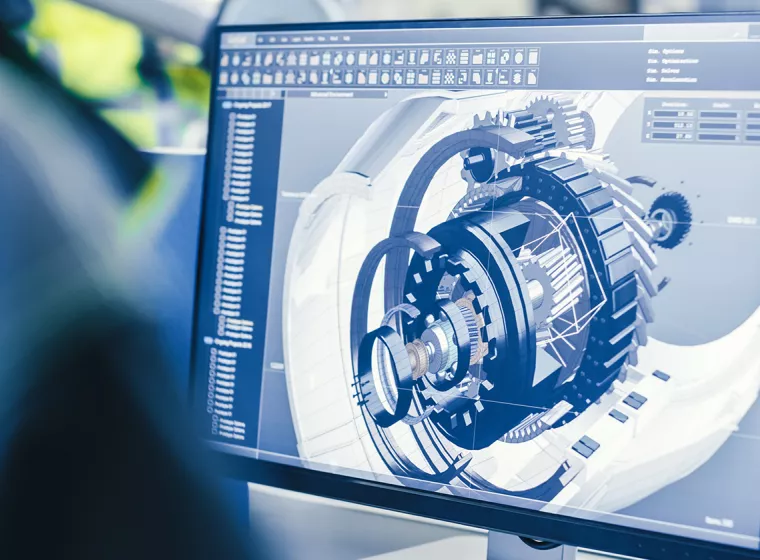
Mechanical Design Support
Mechanical design and testing support services, including customized mechanical modeling, finite element simulations, and system-level testing.
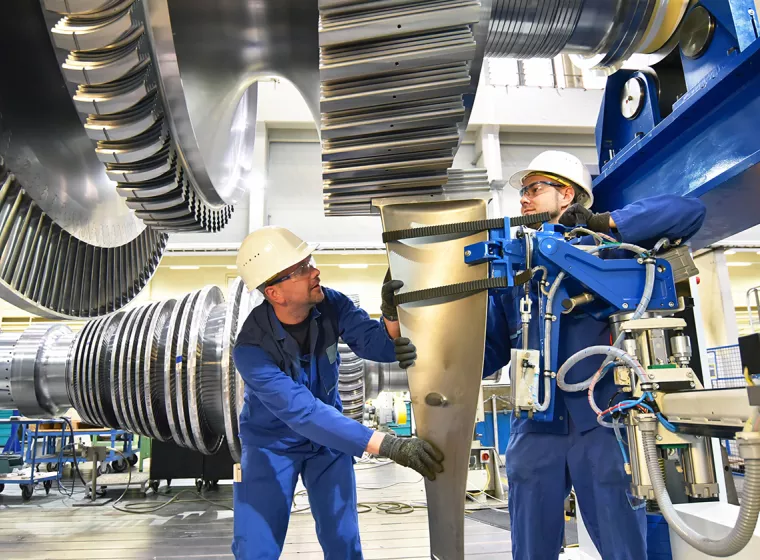
Risk & Safety Analysis for Mechanical Engineering
Multidisciplinary risk assessments, equipment safety evaluations, and occupational safety analysis.

Cybersecurity Consulting
Learn how Exponent's computer scientists, data scientists, and security experts can help make systems safer and more secure.