
June 5, 2026
Authors



How does agency recognition of ISO 10993-1:2025 signal a shift toward risk-based, lifecycle-driven biological evaluation for medical devices?
The Food and Drug Administration (FDA) has recognized the sixth edition of ISO 10993-1:2025, "Biological evaluation of medical devices — Part 1," bringing more alignment to the standard as medical device manufacturers approach biocompatibility and regulatory submissions. This recognition signals FDA's alignment with the current ISO risk-based framework for evaluating biological safety, which integrates chemical characterization, toxicological risk assessment, and lifecycle considerations into a unified evaluation strategy.
While ISO 10993-1 has long served as the foundational framework for biological evaluation, the 2025 revision reflects evolving regulatory expectations and scientific approaches, building on prior recommendations reflected in FDA's biocompatibility guidance. Understanding how this updated standard may influence FDA submissions and global regulatory strategies is increasingly important for device manufacturers.
Key impacts of FDA's revision of ISO 10993-1:2025
FDA's recognition of the updated standard formalizes a transition from a test-driven paradigm to a risk-based biological evaluation process. Rather than relying on predefined testing matrices, manufacturers are expected to identify and assess biological risks based on device-specific factors such as materials, intended use, and patient exposure.
A central feature of the revision is the integration of biological evaluation within the broader risk management framework, aligned with ISO 14971. Biological risks are no longer evaluated in isolation but must be incorporated into the overall device risk profile, alongside mechanical, electrical, and software-related risks.
The standard also introduces a lifecycle-based perspective, requiring evaluation of biological safety across all stages of a device's lifecycle — from material selection and manufacturing through clinical use and post-market surveillance. This expanded scope reinforces the need for continuous assessment as new data becomes available.
Another key shift is the increased emphasis on chemical characterization as a starting point for biological evaluation. Manufacturers are expected to leverage extractables and leachables data, toxicological thresholds, and existing literature to inform risk assessments before determining whether additional biological testing is necessary.
FDA has indicated that its recognition of ISO 10993-1:2025 is partial, and that certain elements of the standard are not currently recognized. Specifically, FDA does not recognize the inclusion of the phrase "consumer products or" in clause 6.5.11.3, and it does not recognize Clause 6.9 on biological risk estimation. Biological risk estimation is determining the probability of biological harm and the severity of that biological harm, and FDA notes that the ISO 10993-1 Clause 6.9 conflicts with another FDA-recognized standard ISO 14971:2019, which addresses risk estimation under application of risk management. As a result, manufacturers should not assume full alignment between the ISO 10993-1 standard and FDA expectations in these areas and may need to rely on existing FDA guidance and risk assessment approaches when addressing biological risk estimation in submissions.
How may FDA recognition impact medical device submissions?
FDA's recognition of ISO 10993-1:2025 is expected to influence how biocompatibility data is developed, documented, and reviewed in regulatory submissions. The updated framework places greater emphasis on scientific justification, weight-of-evidence approaches, and transparency in decision making, rather than reliance on standard test batteries.
For manufacturers, this may require updates to key documentation, including Biological Evaluation Plans (BEPs) and Biological Evaluation Reports (BERs), to demonstrate alignment with the revised standard. These documents are expected to clearly define intended use, exposure conditions, and the rationale for selected evaluation methods, supported by integrated chemical and toxicological data.
The revised standard also reinforces the reduced reliance on animal testing, encouraging the use of in vitro methods, computational models, and existing data where scientifically justified. This aligns with broader regulatory and ethical trends while placing greater importance on robust analytical and toxicological expertise.
What should manufacturers consider moving forward?
With FDA recognition of ISO 10993-1:2025, manufacturers are encouraged to evaluate how their current biocompatibility strategies align with the updated framework. This includes reviewing existing evaluation approaches to ensure they reflect a risk-based methodology and incorporating chemical characterization and lifecycle considerations into biological safety assessments. As regulatory expectations continue to evolve, early alignment with the updated standard may help streamline submissions and reduce the need for iterative review.
Key actions may include:
- Reviewing and refining biocompatibility testing strategies across regulatory submission pathways (e.g., 510(k), PMA, IDE)
- Performing chemical characterization to identify extractables and leachables in accordance with ISO 10993 standards
- Evaluating extractables/leachables data to support feasibility of risk-based biocompatibility approaches
- Conducting toxicological risk assessments to support safety evaluations and regulatory submissions
- Leveraging existing data, literature, and in vitro/in vivo studies to support weight-of-evidence conclusions
- Identifying data gaps to inform targeted testing strategies and endpoint selection
What Can We Help You Solve?
Exponent's multidisciplinary teams support medical device manufacturers adapting to evolving biocompatibility standards, including ISO 10993-1:2025. We offer deep expertise in chemical characterization, toxicological risk assessment, biological evaluation strategy, and regulatory submissions to help clients develop efficient, scientifically grounded compliance strategies.
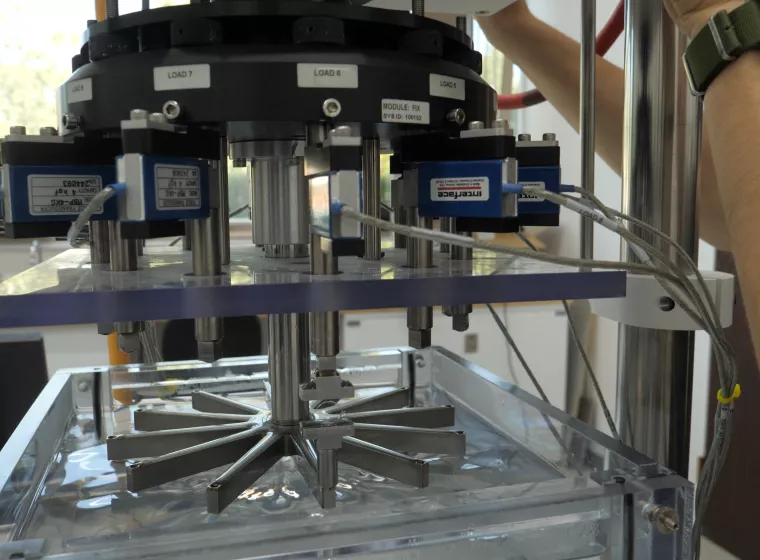
Medical Device Evaluations
Sophisticated medical device evaluations for a vast array of applications.
Biocompatibility & Biological Risk Assessment
Address biocompatibility challenges throughout the medical-device product lifecycle.

Toxicology & Human Health Risk Consulting
Exponent's toxicologists evaluate exposure and adverse health to support safety, regulatory, and product decisions.
Medical Device Design & Development Support
Crucial medical device design and development analyses to empower your decision-making.

Regulatory Compliance for Medical Products
Experienced regulatory support for medical devices, pharmaceuticals, and combination products.

Biomedical Engineering Laboratories
Expert biomedical laboratory services, delivering evidence-based answers for your most complex challenges.
