July 14, 2026
Authors



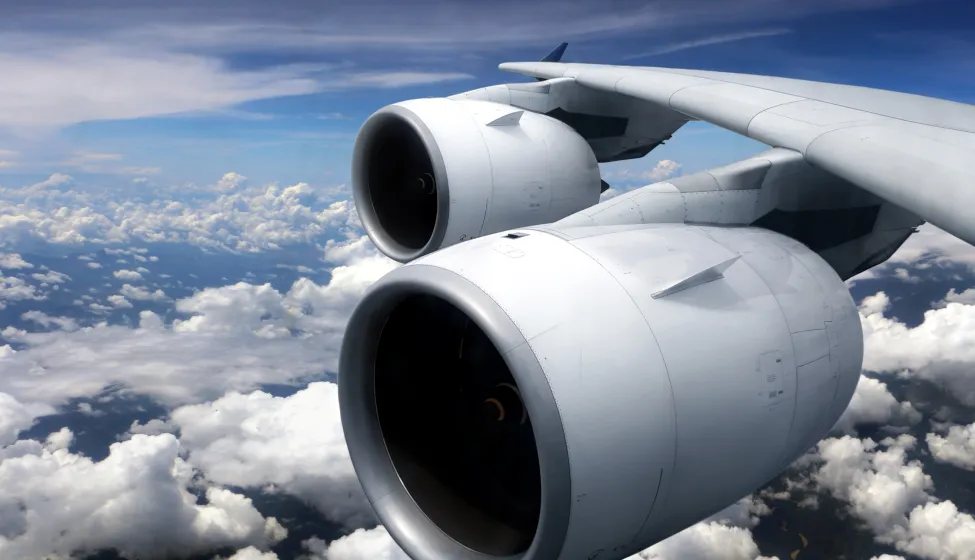
7xxx-series aluminum alloys are widely used in aerospace applications because they offer an attractive combination of strength and weight reduction. However, recent in-service cracking incidents have raised questions about how these materials perform under different environmental conditions. Researchers have observed that some newer-generation alloys appear more susceptible to environmentally assisted cracking (EAC) than legacy alloys, despite demonstrating comparable performance in traditional stress-corrosion testing.
In their article "Environmentally Assisted Cracking Resistance of 7xxx-Series Aluminum Alloys in Chloride-Rich Environments Compared to Humid Air," published in the journal Corrosion Science, Exponent consultants Connor Slone, Meredith Sellers, Robert Caligiuri, and co-authors, including Exponent emeritus Ronald Latanision, compared the EAC behavior of six legacy and newer-generation aluminum alloys per industry standard ASTM G47 and in hot, humid-air. Their findings showed that newer-generation alloys performed similarly to legacy materials in ASTM G47 testing but exhibited significantly greater susceptibility to cracking in hot, humid air. For example, in hot, humid air, AA7085 specimens failed significantly faster than AA7050 specimens at every evaluated stress level from 100 to 240 MPa.
The authors conclude that ASTM G47 testing does not accurately rank the relative EAC susceptibility of newer-generation 7xxx-series aluminum alloys in hot, humid air. Fractographic and metallographic analyses also revealed clear visual distinctions between specimens from the two test environments. These findings highlight the need for additional research into the mechanisms driving EAC and support the development of a dedicated humid-air testing standard to better evaluate aluminum alloy performance under service-relevant conditions.
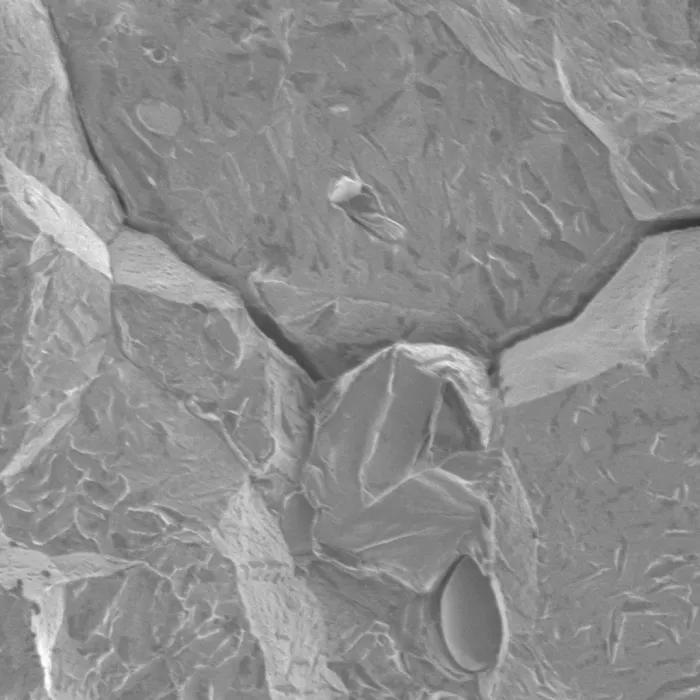
"Environmentally Assisted Cracking Resistance of 7xxx-Series Aluminum Alloys in Chloride-Rich Environments Compared to Humid Air"
Read the full article here
From the publication: "In contrast to the ASTM G47 results, testing in hot, humid air identified significant differences in susceptibility between newer-generation and legacy alloys."
Insights