October 14, 2026
Authors




Executive Summary
LNG tankers and storage facilities carry serious but often misunderstood or miscommunicated risks. Because LNG is stored near atmospheric pressure, breached tanks are unlikely to explode; releases typically spread, vaporize, and, if ignited after mixing with air, produce flash fires or pool fires. Modern membrane tank marine vessels, full containment storage tanks, redundant barriers, sensors, ventilation, and pressure-relief systems further reduce catastrophic failure potential. Nevertheless, leaks can cause cryogenic burns, oxygen displacement, methane emissions, and localized fire hazards. Effective risk management requires rigorous inspection, maintenance, emergency training, consequence modeling, facility siting, and regulatory coordination among PHMSA, FERC, and the Coast Guard to protect workers, communities, infrastructure, and environment.
LNG hazards must be managed appropriately — but risks of storage tank explosions and widespread community impacts are low
In July, a Qatari liquefied natural gas (LNG) tanker was damaged by a projectile in the Strait of Hormuz. The incident triggered fears that tanker ships, which can carry tens of thousands of tons of LNG, could explode, unleashing vast amounts of energy and untold damage and destruction to populated areas. Some have expressed similar fears for land-based LNG storage facilities, for example a recent opinion piece in the Houston Chronicle. LNG storage tank explosions, however, are improbable due to built-in safety systems and the inherent stability of LNG itself. If breached, the LNG in these storage tanks poses some hazards, including the potential for costly and tragic nearby consequences, but catastrophic far reaching consequences, such as those from explosion blast waves, are improbable.
How has LNG storage safety progressed?
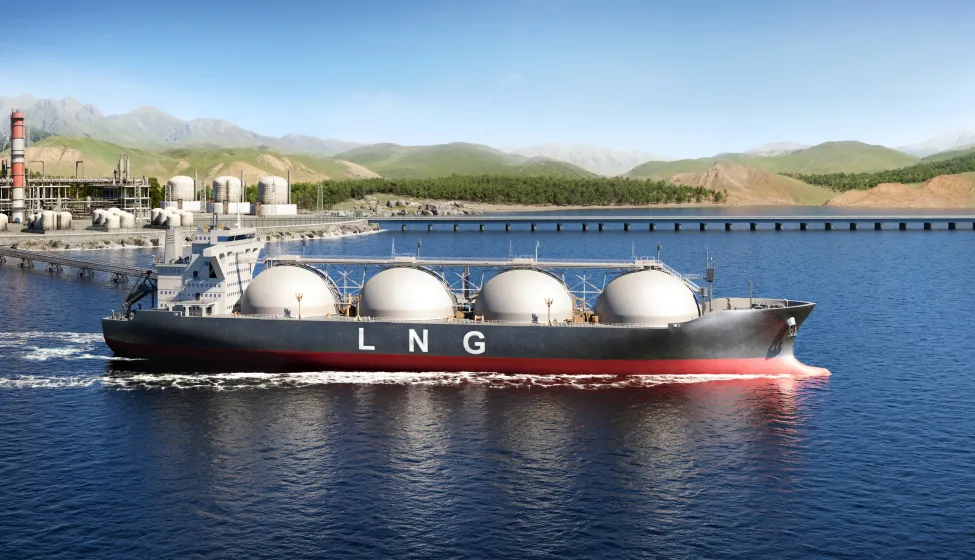
LNG transport by tanker ship began in the 1960s and has since become critical to the energy industry as demand for natural gas-fired electricity and global LNG trade have grown. Early carriers such as the Methane Pioneer transported 5,500 cubic meters (190,000 cubic feet) of LNG across oceans using spherical tanks that held LNG at approximately −161.5°C (−322.7°F).
Today, much larger tankers like the Q-Max ships carry up to 266,000 cu m (9,400,000 cu ft) of LNG in rectangular tanks. These modern "membrane" containment systems incorporate both primary and secondary barriers, providing redundant containment in the unlikely event of a leak. Each barrier membrane is a thin sheet of 0.5 to 1.2 mm steel, engineered to withstand extremely low temperatures. These membranes are made of specialized materials, including Invar steel that contains 36% nickel and experiences very little thermal expansion, stainless steel that resists corrosion, and ferro nickel steel that has enhanced thermal properties. Land-based LNG storage tanks use similar materials and insulation materials with full containment tanks also incorporating a concrete shell.
It's important to understand that LNG is not liquefied through pressure like LPG, it is stored at its boiling point at atmospheric pressure. LNG storage tanks on water and land have thick insulated walls that keep the gas at cryogenic temperatures to minimize its rate of evaporation. Still, some LNG inevitably transitions to gas, known as boil-off gas. This gas may be used as fuel in a ship's propulsion system, returned to the cargo tanks through a reliquefication system, or managed through a combination of both approaches. On land, the gas is re-liquefied and piped back into the insulated storage tanks.
Because LNG tanks store liquefied natural gas at near-atmospheric pressure, they are not designed to withstand elevated pressures. As a result, these tanks will safely vent if pressures creep above atmospheric level, making violent failures unlikely. LNG tanker ships and storage facilities are also equipped with various sensors and safety systems to monitor tank temperature and detect gaseous methane in places where it shouldn't be.
The perceived hazards associated with LNG are often based on misrepresentations of the consequences of a potential storage tank breach.
What are the real hazards of LNG storage tanks?
Natural gas is considered a "low reactivity fuel" meaning that the ignition of a vapor cloud in the open (without significant congestion or confinement) would likely result in a flash fire and a subsequent pool fire, not an explosion. Thankfully, there has never been an LNG marine tanker or storage tank explosion .
When the Qatari LNG tanker ship Al Rekayyat was attacked and damaged near the Strait of Hormuz, reports stated that it was in danger of exploding. The risk of an LNG tanker ship explosion, however, is very low. The perceived hazards associated with LNG are often based on misrepresentations of the consequences of a potential storage tank breach. If an onboard storage tank on a ship is breached, LNG could spill and float on the surrounding water, but the tanks would not explode as they are not under pressure. LNG cannot ignite before evaporating and mixing with air, and it will only ignite between concentrations of 5-15% in this mixture. Below 5% concentration, there is not enough methane to burn; above 15% there is too much. This narrow range of flammability makes combustion during a leak unlikely. In the event an LNG tank is breached, the LNG will typically evaporate slowly, not violently, as the liquid spreads. Its rate of vaporization is primarily dictated by how quickly it spreads out of the breached tank.
LNG leaks can pose health risks to a tanker ship's or facility's crew, emergency response personnel, and environmental cleanup teams. Near the source of the leak, LNG is still extremely cold and can cause cryogenic burns (frostbite). As it evaporates, it can displace breathable air in confined spaces, posing suffocation risks if not detected and vented soon enough. When LNG leaks onto water, it floats in pools and evaporates into the atmosphere.
LNG storage tank leaks also present environmental risks. Methane is a potent greenhouse gas and traps anywhere between 28 and 80 times the amount of heat as carbon dioxide over its lifetime in the atmosphere. When LNG leaks, cleanup typically involves containment and dispersal — the liquefied gas is contained and allowed to evaporate without igniting.
LNG regulatory frameworks
Title 49 CFR Part 193 prescribes federal safety standards for covered land-based LNG facilities. Its requirements address siting, design, construction, equipment, operations, maintenance, personnel qualifications and training, fire protection and security.
The regulatory structure for LNG facilities is shared among agencies. The Pipeline and Hazardous Materials Safety Administration (PHMSA) establishes and enforces federal safety requirements for covered onshore natural gas facilities and periodically inspects facilities for compliance. The Federal Energy Regulatory Commission (FERC) authorizes the siting and construction of jurisdictional onshore and near-shore import and export facilities and performs safety and reliability inspections during construction and operation. The Coast Guard has responsibilities for waterfront transfer facilities, port safety, and LNG carriers. PHMSA specifically states that U.S. LNG import and export terminals are inspected by FERC, the Coast Guard and PHMSA.
PHMSA continues to update regulatory safety requirements and initiated an advance notice of proposed rulemaking as recently as 2025 to obtain public input, including input from local stakeholders, on potential amendments.
Federal engagement has continued in LNG safety and inspection. PHMSA established its National Center of Excellence for LNG Safety in 2023 to strengthen federal expertise, regulatory coordination, research and information sharing. FERC reported in September that it maintained continuing oversight of 27 operational LNG facilities within its jurisdiction.
What happens when an LNG storage tank is breached on land?
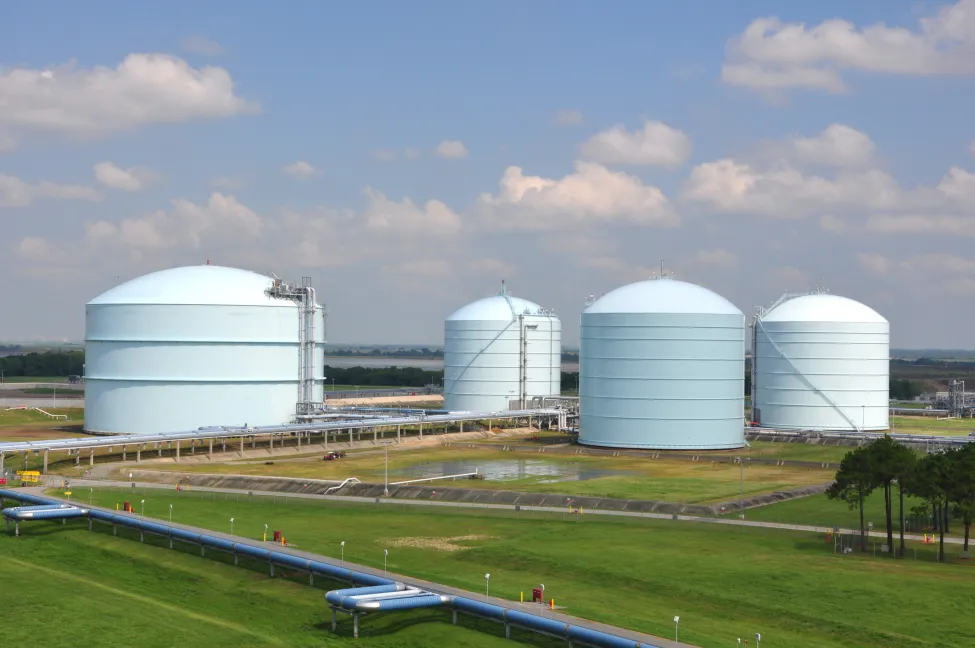
A land-based breach of LNG containment would not cause the stored liquid to explode or to detonate. LNG stored near atmospheric pressure has little stored pressure energy. A release would spread and vaporize. If the resulting methane-air cloud is within the relatively tight flammable range of 5-15% and encountered an ignition source, the most likely outcome in a relatively open environment would be a flash fire, followed by a pool fire if liquid continued to vaporize and feed the flame.
A damaging vapor-cloud explosion is unlikely but possible under particular conditions, especially where a flammable cloud occupies a congested or confined process area capable of accelerating the flame. It should therefore be analyzed, but it should not be presented as the inevitable or even typical outcome of an LNG spill. Facility layout, drainage, impoundment, release rate, ignition timing and surrounding congestion are decisive factors that are typically considered.
This is one reason exclusion zones are calculated for both vapor dispersion and thermal radiation. PHMSA requires operators to control areas potentially affected by the prescribed thermal-flux and vapor-dispersion endpoints, using approved hazard-analysis methods.
PHMSA maintains publicly accessible LNG incident data, annual reports, safety-related condition reports and enforcement records. Reportable LNG incidents include information on injuries, fatalities, releases, causes, evacuations and property consequences. These records are used for inspection planning, risk assessment and trend analysis.
How LNG risks can be minimized
The risks posed by LNG tanker leaks are serious but can be minimized through regular equipment inspection and maintenance. Membrane tanks undergo regular inspection to help ensure they meet requirements for both containment and thermal insulation. Safety systems, including sensors, alarm systems, and ventilation systems, are also regularly inspected and tested to reduce risks of failure. When maintained and operated correctly, these safety systems can help reduce the consequences of LNG leaks. LNG tanker crews also play an important role in emergency response. Crews can be effectively trained to respond quickly and properly to leaks and other malfunctions, further reducing damage and losses.
Experts have spent decades studying the consequences of LNG releases, including terrorist attacks on LNG tankers and the spread of LNG over water, as part of process hazard assessments for LNG infrastructure. Safety audits, environmental impact studies, and computer modeling of fire radiation and vapor dispersion hazard zones can also help tanker operators make critical business decisions based on facts and data-based insights.
LNG terminals must continue to evaluate credible LNG, natural-gas and refrigerant releases; account for adverse weather; validate consequence models; train personnel; and cooperate with PHMSA, FERC, and the Coast Guard.
How Exponent can help
What Can We Help You Solve?
Exponent's oil and gas experts have helped the world's leading energy companies create, maintain, and protect LNG infrastructure across the globe. We provide construction, mechanical, metallurgical, safety, and risk consulting services for upstream, midstream, and downstream oil and gas facilities.
![Liquefied Natural Gas (LNG) [TS]](/sites/default/files/styles/cards_home_card/public/media/images/GettyImages-854095408.jpg.webp?itok=hoWL7ZTm)
Liquefied Natural Gas
Consulting services for the safe handling, transportation, and storage of liquefied natural gas (LNG).
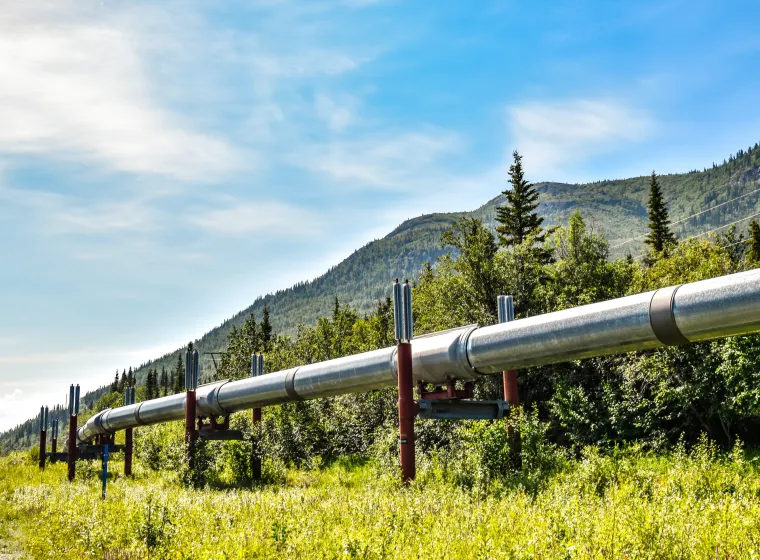
Midstream Oil & Gas Consulting
Pipeline, compressor/pump stations, marine and land terminals, ships, gas processing facilities, storage tanks, and high-pressure vessels.
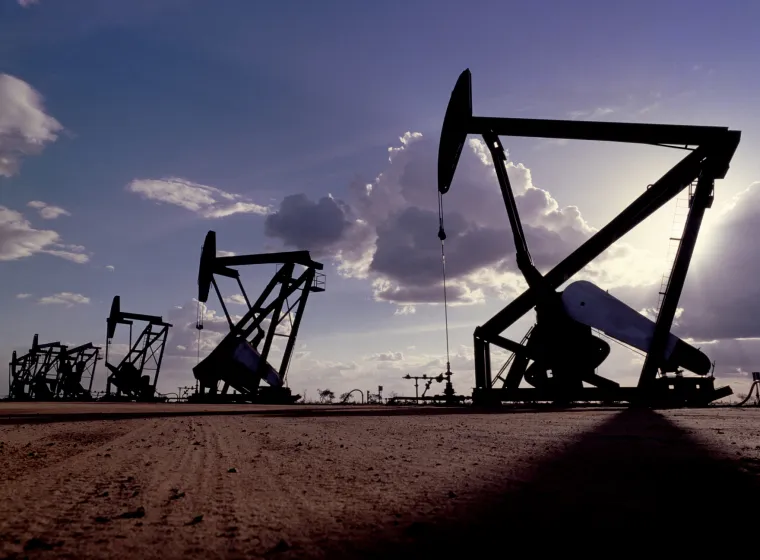
Upstream Oil & Gas Consulting
Clear, science driven technical and environmental analysis for Upstream Oil & Gas helping resolve incidents, disputes, and operational challenges.
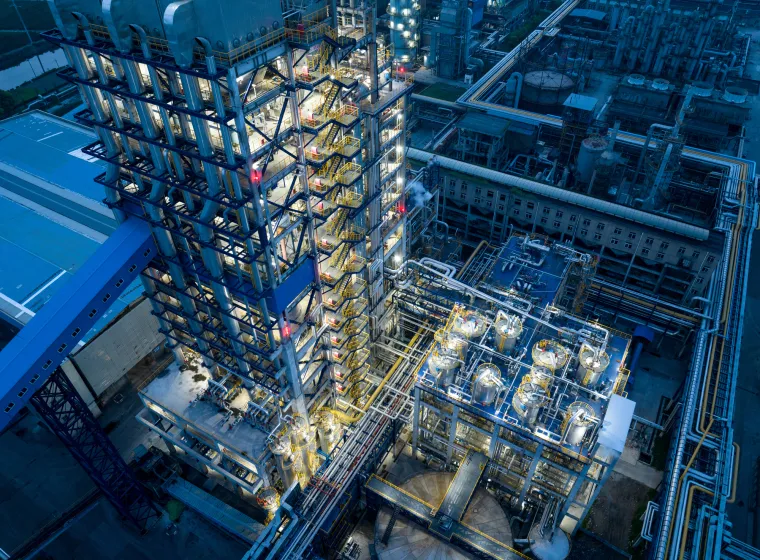
Downstream Oil & Gas Consulting
Onshore and offshore refining and petrochemical processing facilities, piping systems, and product storage facilities.
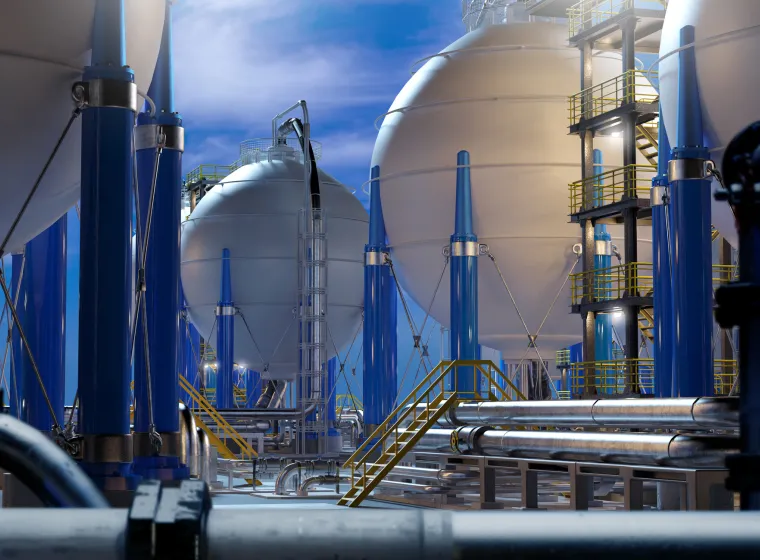
Hydrogen Consulting
Exponent offers unparalleled technical analyses and guidance to address safety, performance, and compliance challenges in hydrogen system.
Nuclear Consulting
Exponent helps you anticipate, quantify, and control nuclear risk and meet complex regulatory responsibilities.