How we help clients
Streamline exploration and extraction
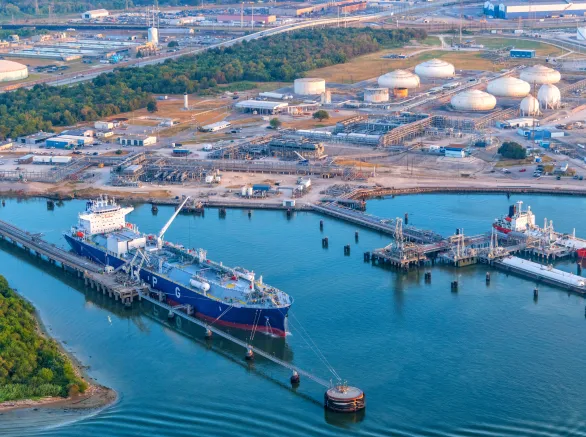
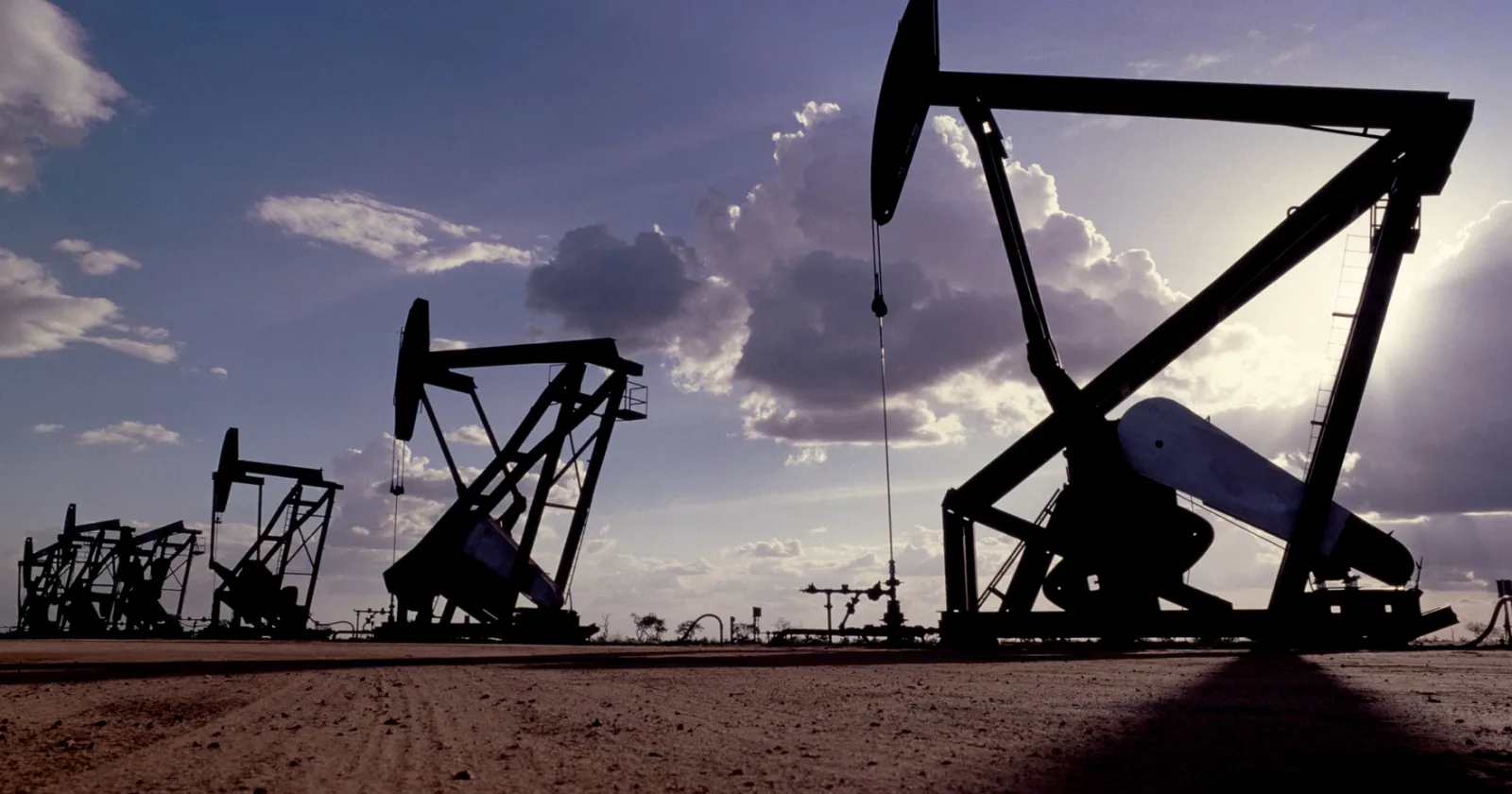
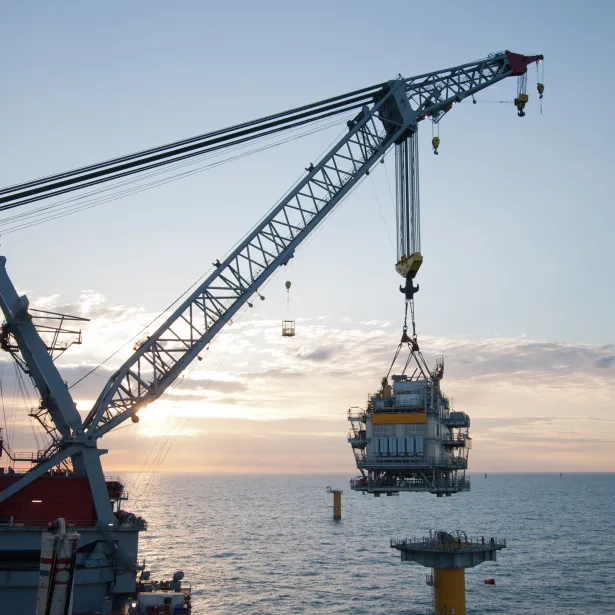
Oil and gas companies today are exploring deeper and encountering more complex reservoirs. The technical and logistical challenges of exploration, drilling, and production in remote or deep-water environments are compounded by regulatory requirements, environmental risks, and operational uncertainties. When something goes wrong, the consequences can be severe: loss of life, environmental damage, extended operational shutdowns, and significant financial exposure. Exponent brings multidisciplinary expertise to every stage of your operations — from navigating environmental permitting and risk management to monitoring produced water and developing Natural Resource Damage Assessment strategies.
Turn failures into insights
Failures can happen, even with careful planning. Exponent rapidly investigates root causes and helps you implement corrective actions. To help prevent recurrence, we also support you in fully understanding and optimizing asset performance through fitness-for-service and extent-of-condition assessments that reveal how your facilities and equipment will hold up under continuous high-stress operations, keeping operations running safely and efficiently.
Capabilities
Our Capabilities Are Unparalleled
Exponent provides support for onshore and offshore operators, including failure analysis, facility performance assessment, environmental damage assessment, and dispute support.
Midstream Oil & Gas Consulting
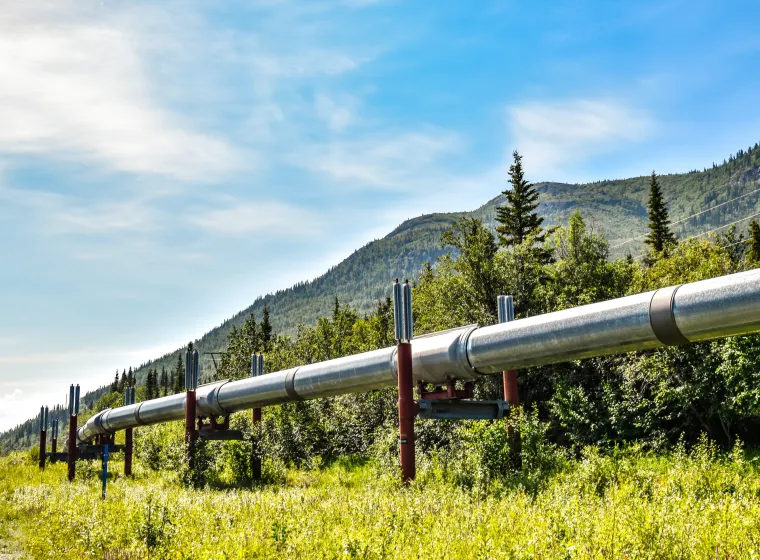
Pipeline, compressor/pump stations, marine and land terminals, ships, gas processing facilities, storage tanks, and high-pressure vessels.
Downstream Oil & Gas Consulting
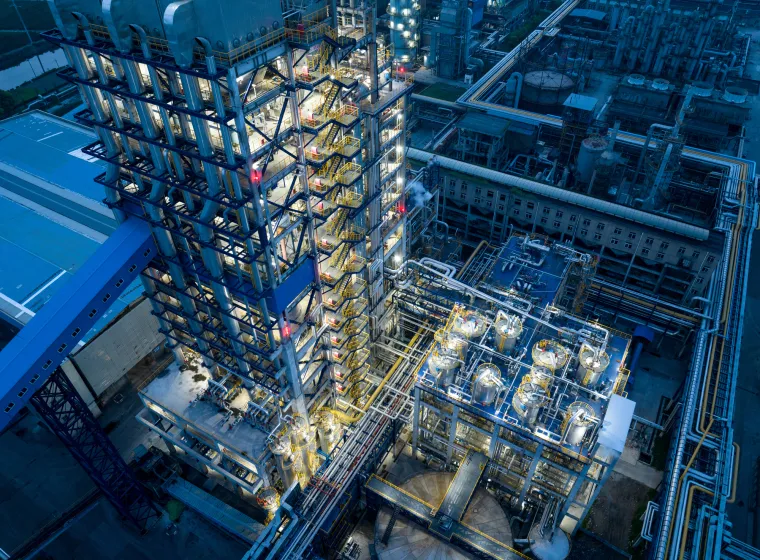
Onshore and offshore refining and petrochemical processing facilities, piping systems, and product storage facilities.

Materials & Corrosion Engineering Expertise for Disputes
Technical scientific support for disputes involving materials and corrosion.

Natural Resource Damage Assessment
Multidisciplinary natural resource damage assessments (NRDAs) to support navigating complex interactions with federal, state, and tribal trustees.

Construction Dispute Resolution Support
The frequency of complex construction project disputes is rising year by year due to many factors, including global supply chain issues, labor struggles, COVID-...
![Litigation and Arbitration Support [MCE]](/sites/default/files/styles/cards_home_card/public/media/images/GettyImages-1211381167.jpg.webp?itok=e3BWMjYi)
International Disputes & Mechanical Engineering
Scientific rigor and objective technical insights for international disputes issues related to mechanical systems.

Expertise Within Reach
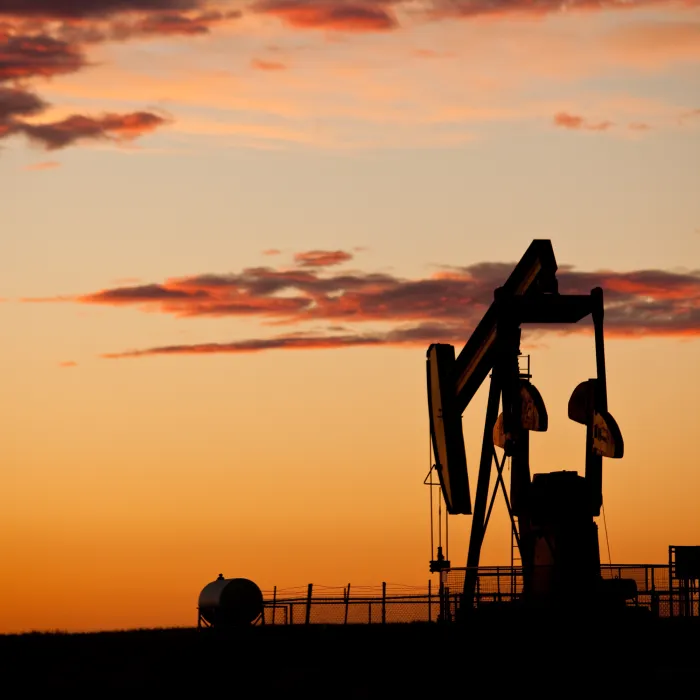
Houston is our hub for the oil and gas industry. With experts across multiple disciplines, including Mechanical Engineering, Construction Consulting, Thermal Sciences, and Metallurgical & Corrosion Engineering, we can help you face today's biggest energy challenges.
![MATERIALS AND CORROSION CAPABILITIES [MCE]](/sites/default/files/styles/fifty_media_large/public/media/images/GettyImages-157375660.jpg.webp?itok=xQrR7SvY)
Evidence You Can Act On
Exponent's labs go beyond commodity testing. We combine first‑principles engineering, real‑world data, and custom experiments to show what truly happens when equipment, materials, and industrial products meet the laws of physics — delivering multidisciplinary insights that give you clarity and confidence for high‑stakes decisions.






relevant right now
How are geopolitical forces shaping upstream exploration?
Intense geopolitical conflicts and economic factors are forcing many oil and gas stakeholders to prioritize energy and supply chain security over less certain exploration ventures — even when tradeoffs like higher costs, longer timelines, and increased regulatory complexity complicate exploration and development activities.
In this environment, upstream stakeholders are navigating questions about reservoir potential, permitting uncertainty, cross-border logistics, and long-term project resilience. Integrating geopolitical risk assessments into early-stage planning is increasingly important, enabling more informed investment decisions and greater adaptability as global conditions continue to evolve.
What technological innovations are impacting upstream oil and gas?
Rapid advances in digital, analytical, automation, and AI‑enabled technologies are transforming upstream oil and gas operations — improving subsurface insights, enhancing operational efficiency, and strengthening predictive maintenance. As operators deploy advanced modeling, automation, and remote monitoring tools, it is critical to evaluate, validate, and de‑risk the integration of new technologies. Independent technical assessments, root‑cause failure analysis, and fitness‑for‑service evaluations are key pieces of safe implementation.
How is environmental and regulatory pressure evolving for upstream developers?
Environmental and regulatory pressures are becoming more stringent for upstream developers. Increased scrutiny around permitting, produced water management, waste handling, and spill prevention can impact project timelines, costs, and technical decisions — particularly as development moves into deeper, more remote, or environmentally sensitive areas. Evolving regulations and heightened enforcement can increase exposure to operational disruptions, financial penalties, and disputes when incidents occur. Stakeholders can benefit from placing more emphasis on early‑stage environmental risk assessments, regulatory strategy, and monitoring to maintain compliance and manage long‑term project risk.
When incidents such as spills, leaks, or produced water releases occur, operational disruptions, potential enforcement actions, cleanup obligations, and disputes can result. Clear documentation, defensible root‑cause analysis, and coordinated environmental and technical analysis can enable oil and gas companies to respond effectively and limit the scope of environmental impacts.
Experts

Group Vice President and Principal Engineer

Practice Director and Principal Engineer


Practice Director and Principal Scientist

Office Director and Principal Scientist
















Senior Managing Engineer



Senior Managing Engineer






Insights