July 1, 2026
Authors



Regulatory body asks major U.S. power grid operators to explain how they plan to meet soaring hyperscale data center power demands
On June 18, the Federal Energy Regulatory Commission (FERC) approved orders to help fast-track power projects for hyperscale data centers. The new orders aim to reduce the time for approving new projects to just 90 days, representing a vast improvement over approval queues that can take years.
FERC issued the orders under Section 206 of the Federal Power Act to the six regional grid operators in the U.S. under its jurisdiction. These grid operators have been directed to justify or reform the rules that govern how data centers, manufacturing facilities, and other large energy users connect to the electric grid. Utilities have 60 days to report to FERC.
The regulatory body has issued five categories of reform for utilities to address:
- Developing efficient transmission service application and study processes, including consideration of alternative transmission technologies
- Preventing cost shifting and requiring transparency into transmission costs
- Accommodating co-location agreements and behind-the-meter generation
- Providing new transmission services for flexible large loads
- Developing a process to study generating facilities that serve electrically proximate large loads and co-located loads
FERC has also asked that each operator submit detailed reports within 30 days describing how they intend to ensure that adequate generation will be available to serve existing and new large power load demands.
For data center developers, the orders could help clarify and speed up a process that constrains growth. However, faster interconnection may not necessarily mean easier access to power. In many regions, data center demand is rising faster than grids can add generation and transmission capacity. As a result, operators may be required to bring their own power, rely on behind-the-meter generation, reduce electricity use during periods of grid stress, or pay for upgrades needed to serve their facilities.
Those tradeoffs could reshape how data centers are planned, financed, and operated. Access to reliable power is becoming a central factor in site selection alongside land availability, tax incentives, fiber connectivity, and cooling resources. Locations with available transmission capacity, nearby generation, or flexible load-management options may become more attractive as operators look to reduce energization delays and cost uncertainty.
The orders come as the rapid growth of AI and cloud computing is putting new pressure on U.S. power markets after years of relatively flat demand. Data centers can require electricity loads comparable to those of small cities, creating planning challenges for utilities and grid operators responsible for maintaining reliability while limiting upward pressure on consumer electricity bills.
FERC's approach stops short of imposing a single national rule. Instead, it gives regional grid operators flexibility to develop policies suited to local market conditions while signaling that large-load interconnection is now a major reliability, economic, and political issue.
For data center operators, securing grid access may become faster but not simpler. Developers will need to account for power availability, interconnection requirements, curtailment risk, generation strategy, and potential grid-upgrade costs much earlier in the project lifecycle.
What Can We Help You Solve?
Exponent's utilities experts can help grid operators plan, build, and manage new infrastructure for power generation and grid interconnection. Our power generation experts can also assist data center developers and operators with power planning, operation, grid connection, and ongoing power management.

Power & Energy
Multidisciplinary support for high-power energy systems of all sizes in a variety of applications.
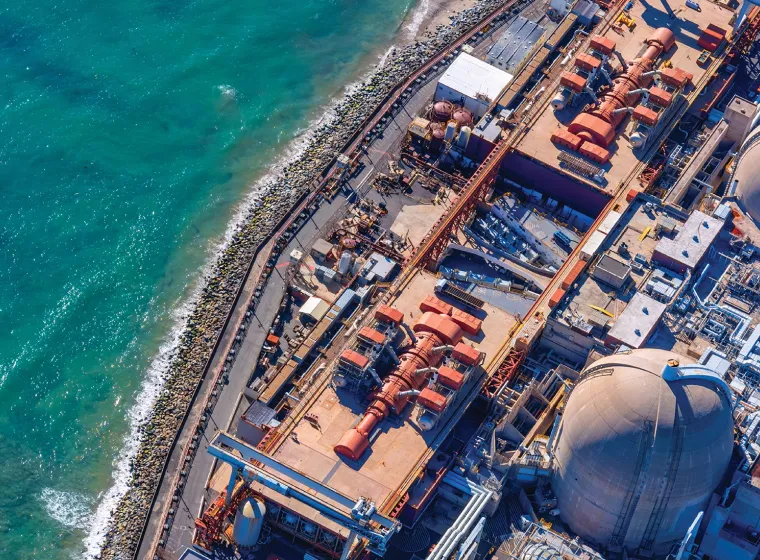
Nuclear Consulting
Exponent helps you anticipate, quantify, and control nuclear risk and meet complex regulatory responsibilities.
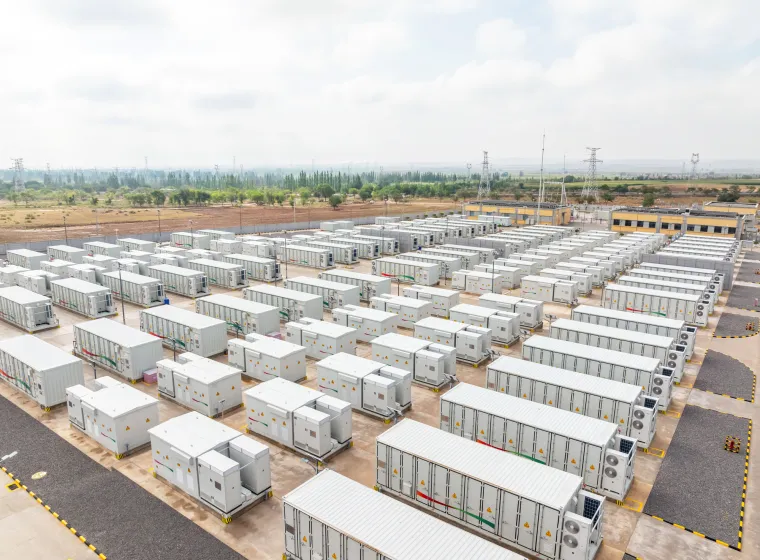
Battery Energy Storage Systems (BESS) Consulting
Explore Exponent's expertise in battery energy storage systems (BESS), including development, testing, integration, and safety consulting for utilities and...
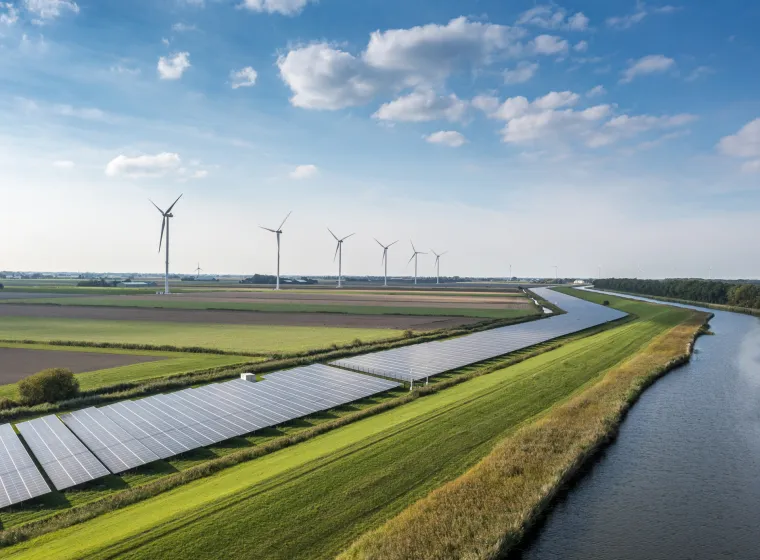
Renewable Energy
Access support across the total project lifecycle for solar, wind, and hydropower projects.

Sustainability & Climate Change
Scientific and engineering insights to improve and quantify sustainability practices and secure vital resources and assets.
Asset Management for Extreme Weather Risks
Infrastructure evaluations and analysis to quantify risk and support informed decisions regarding maintenance and power shutoffs.
Insights