January 9, 2026
Authors



Key Takeaways
- The rapid expansion of AI is driving unprecedented energy demand, with data centers projected to consume over 1,000 terawatt-hours annually by 2026.
- To meet these needs and achieve carbon-neutral goals, leading technology companies, utilities, and project developers are investing in advanced power generation like small modular reactors, geothermal, hydrogen, renewable microgrids, and fusion energy.
- Emerging energy technologies present a variety of unique engineering and operational challenges, requiring rigorous technical due diligence and familiarity with evolving policy and regulatory considerations to support sound decision making.
How can technical due diligence help companies find the right power generation methods to meet the demands of AI?
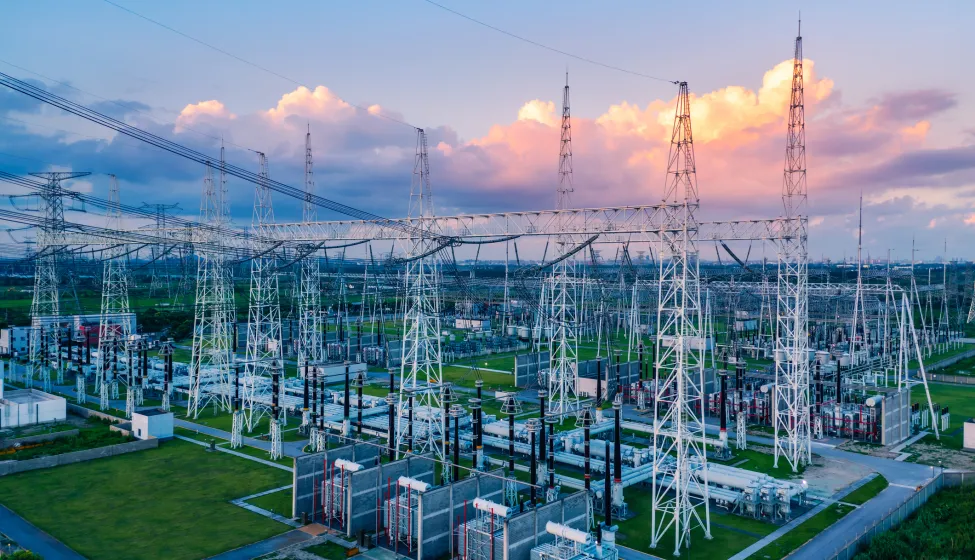
The rapid rise of artificial intelligence is transforming the economy and the global energy landscape. As AI models grow in scale and complexity, they demand greater amounts of energy. By 2026, global energy demand from AI-driven data centers is expected to exceed 1,000 terawatt-hours per year, more than doubling global 2022 levels. Half of that power is expected to be generated using low-emissions sources, prompting leading technology companies to invest directly in novel forms of power generation, either directly purchasing existing power facilities or building their own.
Not all these new forms of power generation are equal, however. To select the best technology for their needs, tech companies, utilities, and project developers require a deep technical understanding of the advantages and disadvantages of various alternative and emerging technologies — as well as the fast-evolving regulatory landscape governing them. With rigorous technical and technoeconomic due diligence, stakeholders can gain confidence in choosing the right solution for their specific power generation needs.
What energy technologies are stakeholders considering?
Various stakeholders from tech companies to utilities and project developers are exploring several types of alternative advanced and emerging energy technologies to meet the growing demands of AI infrastructure and achieve carbon-free operations. These include small modular reactors (SMRs), geothermal sourcing, renewable natural gas (RNG) microgrids, multiplefusion projects, and more.
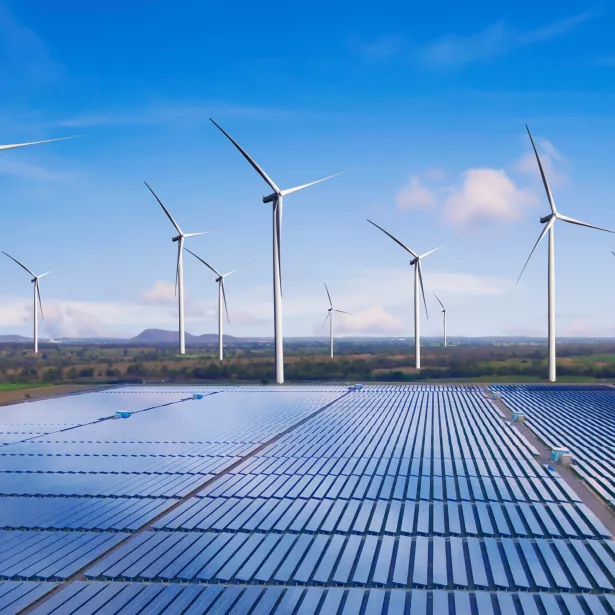
Many are also exploring green hydrogen production, next-gen geothermal, and emerging solutions like battery energy storage systems (BESS) and hydrogen technologies. These technologies enable the capture and distribution of energy from intermittent renewable sources like solar power. Additionally, cleaner combustion approaches (e.g., chemical looping combustion for fossil fuels) are being explored to reduce emissions while leveraging existing fuel resources.
These initiatives reflect strong momentum toward scalable, low-carbon power technologies and signal a broader industry awareness: the increasing demand for energy production spurred by AI not only means increasing volume but improving energy availability and reliability as well.
The convergence of AI and energy is one of the defining challenges and opportunities of this decade. Navigating it successfully requires more than optimism or capital.
How will energy policy affect power generation?
The current policy landscape for energy production is rapidly evolving. Governments around the world are balancing multiple priorities, including economic growth, energy security, climate goals, and regional development. While many jurisdictions maintain strong commitments to decarbonization and net-zero strategies, others are adjusting their focus to emphasize energy accessibility, affordability, and domestic production. These evolving priorities are not necessarily at odds, but they introduce strategic uncertainty that investors must proactively consider.
In the U.S., Congress recently voted to modify existing green energy tax credits, which will have a tremendous effect on power generation investment. Lawmakers accelerated the expiration dates for several green energy incentive programs and added language about qualifying for the incentives.
As an example, wind and solar facilities are part of the Clean Energy Production Credit (referred to as the Section 45Y credit). The original phase out provision of the Section 45Y credit specified the credit would extend for a three-year period following the latter of (i) the year when greenhouse gas emissions from electrical production in the U.S. were less than or equal to 25% of the greenhouse gas emissions from annual production for 2022 or (ii) the calendar year 2032. This phase out provision was modified to define calendar year 2032 as the applicable year, and the credit would not be applicable to wind and solar facilities placed into service after Dec. 31, 2027.
Additional provisions limit access to these credits for facilities constructed with material assistance from a prohibited foreign entity if such facilities did not begin construction before the end of 2025, with safe harbor provisions extending into mid-2026. As a result, companies may race to launch solar and wind projects in the near term to take advantage of these tax credits, causing a rush of these types of renewable energy projects. Beyond July 2026, however, U.S. energy policy seems to be focused on energy independence and reliability, with less emphasis on generation technologies that suffer from intermittency (e.g., wind and solar are referred to as intermittent energy sources because their resources for generation are not constantly available, or predictable).
Rather than viewing energy policy uncertainty as a deterrent, utilities, tech companies and capital investment partners can approach it as an opportunity to build flexibility into their planning. By systematically evaluating how proposed infrastructure aligns with a range of plausible regulatory and policy scenarios, they can improve resilience and reduce exposure to future disruptions. Changes in the credit incentive systems domestically also increase project risks, lowering the tolerance for project delays and overruns. Mitigating this risk includes understanding the projected technology performance, how permitting pathways, emissions standards, and incentive programs may shift and how those shifts could affect project timelines, costs, or compliance obligations.

How can project stakeholders evaluate emerging energy technologies?
Technical due diligence plays a critical role in evaluating new energy projects. Success depends not only on financial forecasts, but on the physical feasibility, projected performance outputs, and operational robustness of proposed energy systems.
There are several foundational processes that can be used to evaluate emerging energy technologies. First, project stakeholders can examine the full energy infrastructure lifecycle, from early design assessments to post-incident investigations through studies, technical due diligence, and risk assessments. Quantitative tools like dispersion modeling, consequence analysis, and RAM (reliability, availability, maintainability) studies help to identify vulnerabilities and enhance system performance during this process. Lifecycle assessments (LCAs) can also be used to evaluate long-term environmental and operational impacts for permitting and ESG reporting.
These methods and techniques are increasingly critical as organizations consider building or investing in power infrastructure that could support AI and other high-demand applications. While the technology and policy environment are evolving rapidly, thoughtful, technically grounded planning can enable companies to pursue ambitious strategies with clarity and confidence.
Rigorous technical evaluations are critical to a well-developed business case. Without them, stakeholders can easily misjudge the time needed to bring a project online, fail to anticipate regulatory requirements, or not have the full context for decisions that impact safety, speed, cost efficiencies, and more.
Before deciding on an energy project, project stakeholders can benefit from ascertaining:
- Alignment of proposed technology packages with project specifications and goals
- Capacity of infrastructure to scale reliably
- Performance under real-world loads and operational conditions
- Ability to integrate with existing assets
- Overall risk profile and associated consequences on operations
- Impact of performance shortfalls, project delays, or cost overruns on key performance metrics for a project
The convergence of AI and energy is one of the defining challenges and opportunities of this decade. Navigating it successfully requires more than optimism or capital. It demands the ability to evaluate risks, validate performance, and design with foresight.
What Can We Help You Solve?
Exponent helps clients navigate energy infrastructure lifecycles, from design to post-incident investigations. Our consultants conduct feasibility studies, technical due diligence, and risk assessments for power generation systems in line with industry standards. We use dispersion modeling, consequence analysis, and RAM studies to identify vulnerabilities and enhance performance.

Power Systems: Generation, Transmission, Substations & Distribution
Multidisciplinary technical and managerial support for energy generation distribution and transmission systems.
Solar Energy Consulting
Expert technical support for PV system design, performance, functionality, reliability, and safety.
Hydrogen Consulting
Exponent offers unparalleled technical analyses and guidance to address safety, performance, and compliance challenges in hydrogen system.
Wind Power Consulting
Unmatched insights to improve decisions, strengthen reliability, and protect the long-term value of your assets.
![DUE DILIGENCE [BES]](/sites/default/files/styles/cards_home_card/public/media/images/GettyImages-1360386685_0.jpg.webp?itok=sC3hx42s)
Technical Due Diligence
Gain a clearer understanding of how your tech assets fit into the wider market landscape.

Power & Energy
Multidisciplinary support for high-power energy systems of all sizes in a variety of applications.
