HOW WE HELP CLIENTS
Assessing Anything in Water
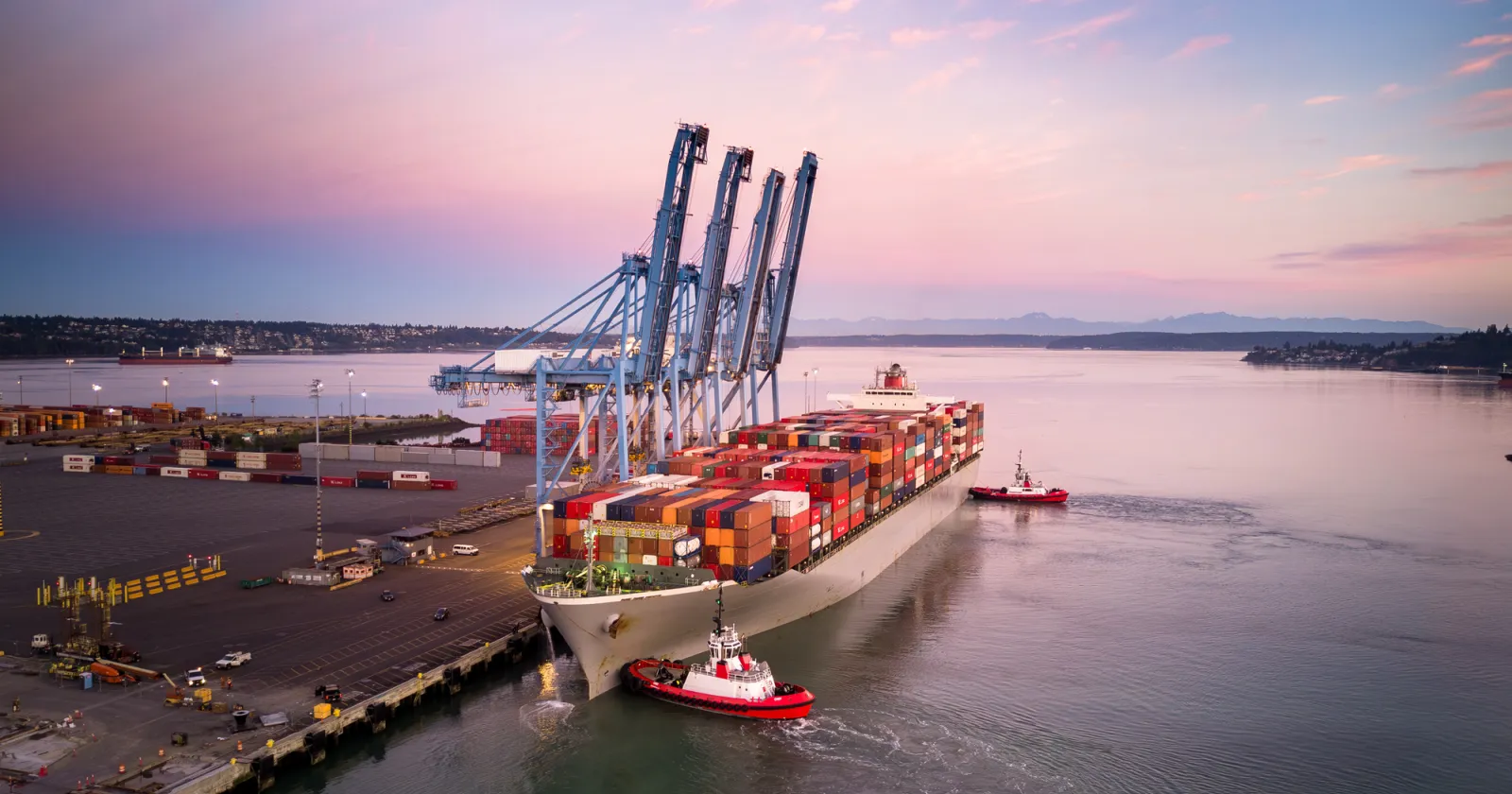
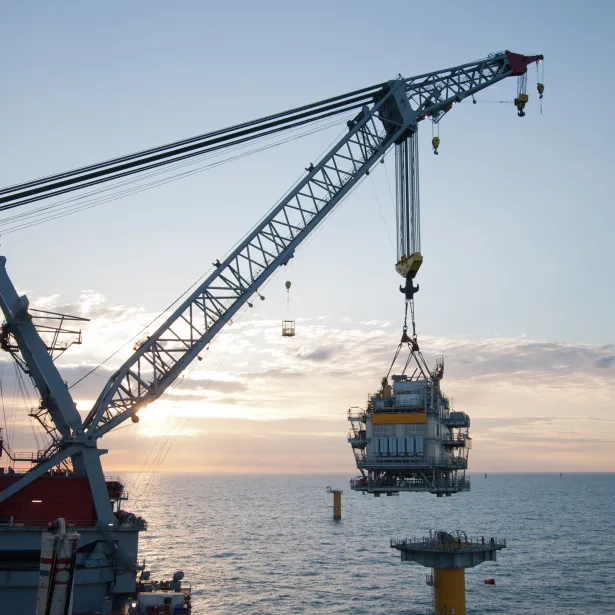
Exponent's naval architecture and marine engineering experts assist companies across the globe in the engineering, maintenance, and assessment of anything that floats. Our engineers address container and cargo ships, research vessels, fishing boats, submarines and submersibles, cruise ships, ferry boats, yachts, sailboats, installation vessels, fixed and floating offshore platforms, and anything in between, evaluating for optimal performance in harsh marine conditions. When equipment fails, our experts determine how and why. We also understand the intricate interplay between ships and port infrastructure that keeps harbors operating safely and efficiently.
Our Capabilities Are Unparalleled
Exponent helps advance the safety and performance of emerging and automated transportation technologies through multidisciplinary expertise, robust testing, and data‑driven insights.

Transportation Product Evaluations
Quantify product performance, analyze system and component failures, and addresses claims of defects.
![Aeronautical Engineering [TS]](/sites/default/files/styles/cards_home_card/public/media/images/GettyImages-1401132682.jpg.webp?itok=KPBpqnE2)
Mechanical Engineering Expertise for Aviation & Aerospace
Address complex mechanical engineering problems involving general aviation or commercial aircraft.
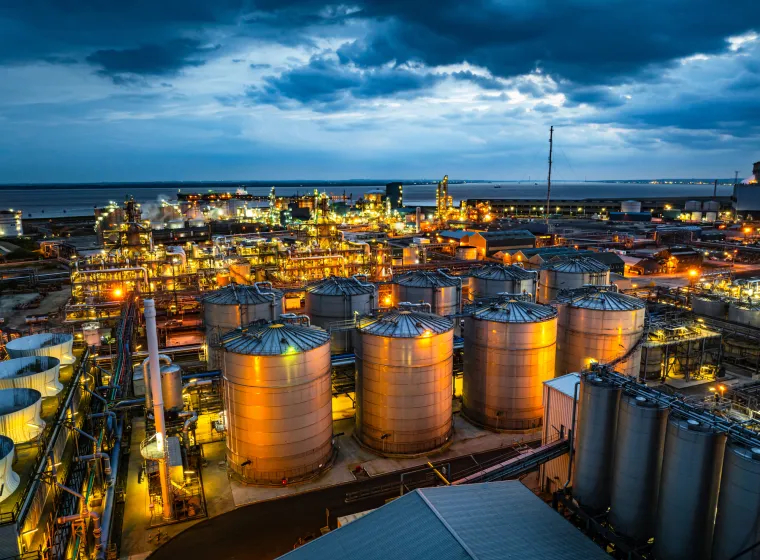
Oil & Gas Consulting
Address engineering, compliance, and safety challenges across upstream, midstream, and downstream operations.
![Liquefied Natural Gas (LNG) [TS]](/sites/default/files/styles/cards_home_card/public/media/images/GettyImages-854095408.jpg.webp?itok=hoWL7ZTm)
Liquefied Natural Gas
Consulting services for the safe handling, transportation, and storage of liquefied natural gas (LNG).

![MATERIALS AND CORROSION CAPABILITIES [MCE]](/sites/default/files/styles/fifty_media_large/public/media/images/GettyImages-157375660.jpg.webp?itok=xQrR7SvY)
Evidence You Can Act On
Exponent's labs go beyond commodity testing. We combine first‑principles engineering, real‑world data, and custom experiments to show what truly happens when equipment, materials, and industrial products meet the laws of physics — delivering multidisciplinary insights that give you clarity and confidence for high‑stakes decisions.
RELEVANT RIGHT NOW
What are the biggest challenges facing the maritime shipping industry?
Geopolitical conflicts have led to shifting trade routes, sanctions, and new compliance risks. Companies must reroute vessels to avoid conflict zones or comply with changing restrictions. Extended voyages, uneven training standards, and difficult living conditions are discouraging new seafarers from joining the workforce, even as demand for skilled crew rises due to complex new vessel technologies. Freight rates have also become highly volatile, influenced by fluctuating consumer demand, inflation, and trade policy shifts. This volatility complicates long-term investment decisions in ships and port assets.
How will decarbonization and regulatory compliance affect the maritime industry?
Maritime operators are under pressure to cut greenhouse gas emissions, but viable large-scale alternatives to heavy fuel oil are still expensive and logistically difficult. Shipowners must balance investment in new technology with uncertain regulatory timelines. Ships may need efficiency upgrades like hull/propeller optimization and waste heat recovery. Power and propulsion changes may also be needed — either switching to hybrid systems, alternative fuels, or both. Operators may also adjust speeds and routes to meet decarbonization demands.
What are the risks of supply chain instability?
Events like regional conflicts, labor disputes, and canal disruptions can reroute global shipping networks. Because maritime logistics are tightly scheduled, such shocks can cascade into container shortages and surges in freight rates. To mitigate these effects, operators can build flexible network plans (alternative ports, routes, buffer time, etc.), improve forecasting through integrating more accurate port data, and diversify suppliers and service partners.
What is the current state of alternative fuels in maritime shipping?
LNG remains the most mature alternative at scale, while methanol is gaining momentum with a growing dual-fuel orderbook. Ammonia and hydrogen are progressing through pilots and early orders but face bigger hurdles around safety management, onboard storage, and the build-out of reliable bunkering networks. In the near term, many operators are also using drop-in biofuel blends where available to reduce lifecycle emissions without major hardware changes. Operators can focus on "no-regrets" steps now: improve fuel/emissions data and verification, run route-specific fuel availability assessments, update safety management and crew training for low-flashpoint/toxic fuels, and maintain fuel optionality in newbuild and retrofit decisions until supply chains and rules stabilize.
What effect will the continued digitization of shipping have on the industry?
Digitization (automation, connected vessels, and shared port/ETA data) can improve efficiency, safety, and schedule reliability — but it also increases dependence on software, data quality, and third-party systems. As connectivity grows, cyber incidents, system outages, and data integrity issues can disrupt operations and create liability. Operators can respond by strengthening cyber hygiene (network segmentation, patching, access control), tightening vendor/OT risk management, and rehearsing incident response and manual fallbacks so vessels and terminals can keep operating during disruptions.
Experts
Our global and comprehensive expertise across industries gives us a deep understanding of current challenges, best industry practices, and the implications of emerging technologies.

Group Vice President and Principal Engineer








Insights