
How we help clients
Expert Regulatory Assistance
Rate change cases are increasingly complex, with regulators demanding rigorous technical justification and cost-benefit analyses. Utilities must demonstrate detailed, evidence-based rationale for funding requests, linking asset health, risk modeling, and financial analysis into a coherent regulatory case. Our integrated approach — combining decades of utilities engineering expertise, quantitative risk assessments, and strategic testimony support throughout the process — helps create defensible filings that regulators respect. With climate change amplifying risk, our end-to-end framework enables utilities to manage assets proactively, justify investments effectively, and secure funding for long-term safety and reliability.
Our utilities experts can perform health assessments to identify gaps, help develop the testimony and technical basis in rate cases, and can help fill the gaps programmatically by developing new or revised standards and procedures. After projects have been approved, we can also manage maintenance and construction programs to facilitate timely and cost-effective completion.
Capabilities
Relevant Right Now
How can utilities balance revenue requirements and customer rate impacts?
The challenge is to recover prudent costs while maintaining affordability and public trust. Utilities can use phased-in increases, decoupling mechanisms, and targeted rate design to avoid rate shock. Communicating the value of reliability, safety, and modernization helps customers understand why the increase is needed.
What test year and forecasting approach should utilities use?
Choosing between a historical, adjusted, or forecast test year affects how current costs are reflected in rates. A forward-looking test year may better capture ongoing investment needs but requires strong justification and data transparency. The goal is to reflect realistic costs within regulatory precedent and evidentiary standards.
How do utilities support capital investments and demonstrate prudence?
To gain approval, utilities must tie capital expenditures to clear outcomes — such as reliability, resiliency, and environmental compliance — and show that alternatives were evaluated. Strong documentation, project governance, and performance metrics help regulators see that investments are both necessary and will be efficiently executed by the utility.
What is the appropriate capital structure and return on equity (ROE)?
Utilities can benefit from presenting market-based analyses, peer comparisons, and credit metrics to support a fair ROE and capital structure. Evidence that the proposed return attracts investment and reflects business risk strengthens the case. Clear rationale — especially for any requested premium — builds regulatory credibility.
How should utilities manage stakeholder engagement and communication?
Effective engagement begins well before filing. Utilities can reduce opposition by informing stakeholders of planned investments, gathering feedback, and building consistent messaging around customer value. Internally, coordinated testimony, discovery preparation, and media readiness ensure a cohesive narrative throughout the proceeding.
Experts
Our global and comprehensive expertise across industries gives us a deep understanding of current challenges, best industry practices, and the implications of emerging technologies.

Group Vice President and Principal Engineer


Corporate Vice President and Principal Engineer


Practice Director and Principal Engineer









What Can We Help You Solve?
Exponent helps utilities build defensible, data-backed rate cases through integrated engineering and quantitative risk modeling, performing program health assessments, creating science-based risk frameworks, and offering regulatory testimony support.

Power & Energy
Multidisciplinary support for high-power energy systems of all sizes in a variety of applications.

Electrical Engineering Services for Data Centers
By supporting the balanced functionality of mechanical and electrical equipment and infrastructure, Exponent primes your facility environment for installation a...

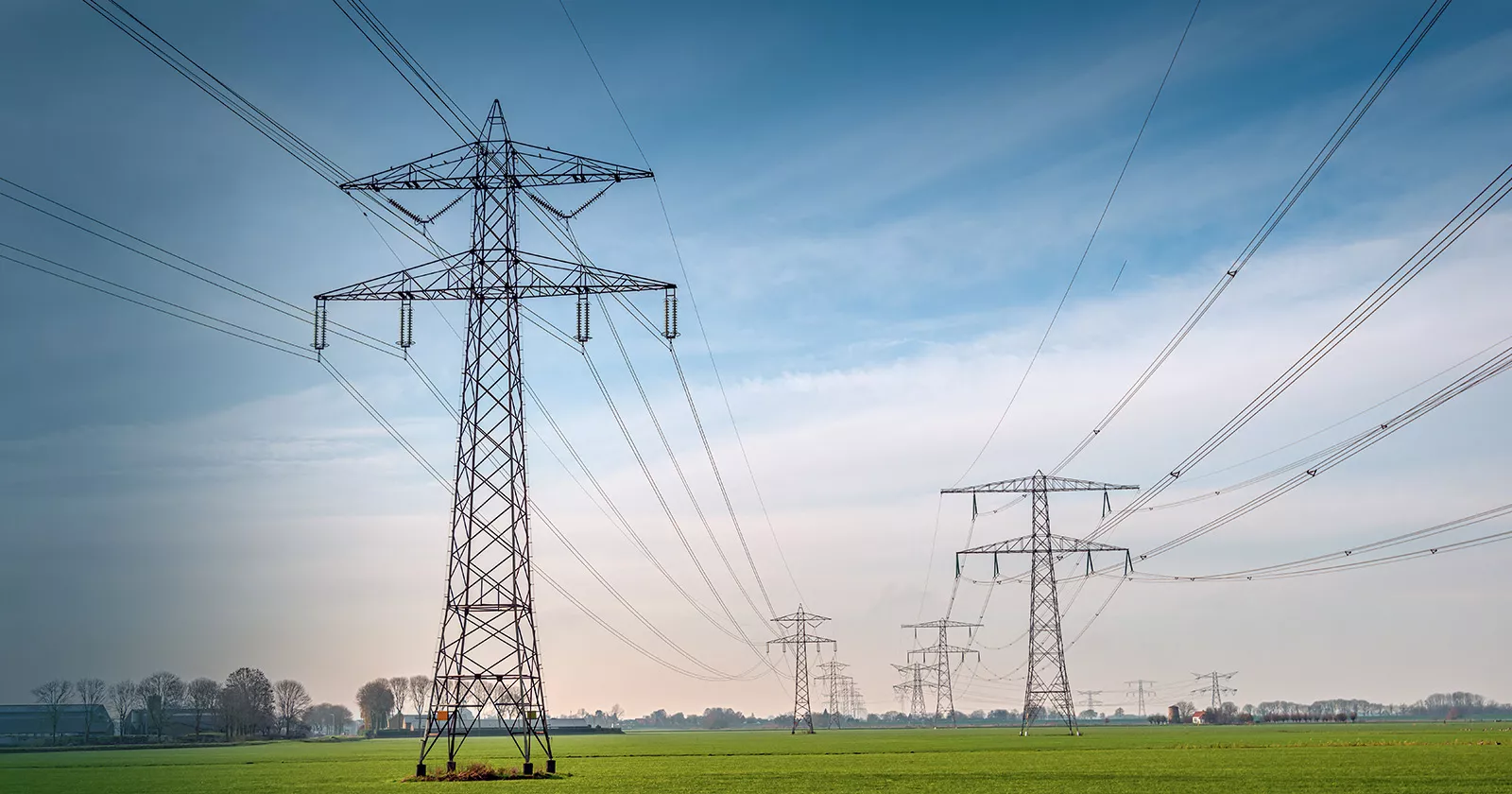
Power Systems: Generation, Transmission, Substations & Distribution
Multidisciplinary technical and managerial support for energy generation distribution and transmission systems.

Solar Energy Consulting
Expert technical support for PV system design, performance, functionality, reliability, and safety.
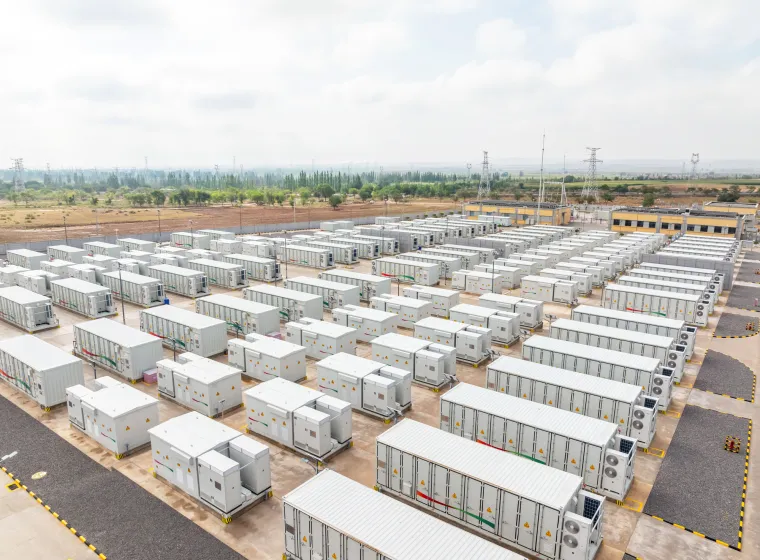
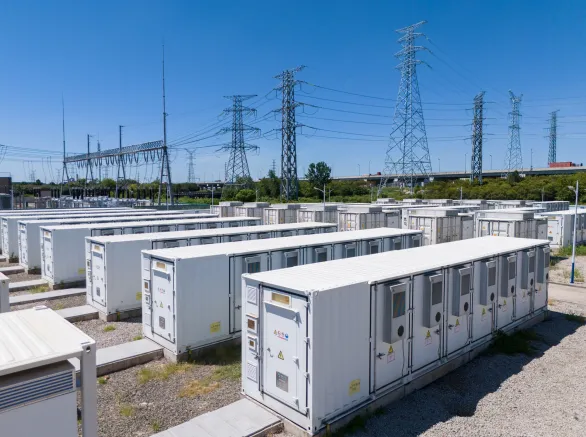
Battery Energy Storage Systems (BESS) Consulting
Explore Exponent's expertise in battery energy storage systems (BESS), including development, testing, integration, and safety consulting for utilities and...

Oil & Gas Consulting
Address engineering, compliance, and safety challenges across upstream, midstream, and downstream operations.