How does Exponent help clients navigate the evolving microplastics landscape?
Navigating evolving scientific and regulatory expectations around micro- and nanoplastics (MNPs) can be time-consuming, confusing, and risky. Our scientists and engineers help reduce that burden by providing clear, evidence-based guidance so you can make confident decisions and avoid potentially costly missteps.
We help you:
- Identify, assess, and manage MNP risks across the lifecycle of your products and processes
- Identify vulnerabilities in manufacturing and material sourcing
- Generate credible data and documentation intended for regulators, customers, and internal stakeholders
Our multidisciplinary team develops custom testing strategies, interprets complex data, and applies advanced analytical methods to turn uncertainty into clear, actionable next steps — tailored to your products, timelines, and compliance needs.
Industries We Support
We provide MNP consulting and custom testing and analysis for a wide range of industries and applications, including:
• Food contact materials
• Food manufacturing processes
• Consumer products
• Primary microplastics (e.g. synthetic microbeads)
• Oil and gas infrastructure
• Coatings
• Plastic manufacturing and processing
• And more
Capabilities
Our Capabilities Are Unparalleled
Exponent closely monitors the continually changing regulatory landscape for micro- and nanoplastics. Our experts help clients understand potential MNP risks and develop strategies to support compliance and product stewardship programs.
Food and Nutrition Science Support
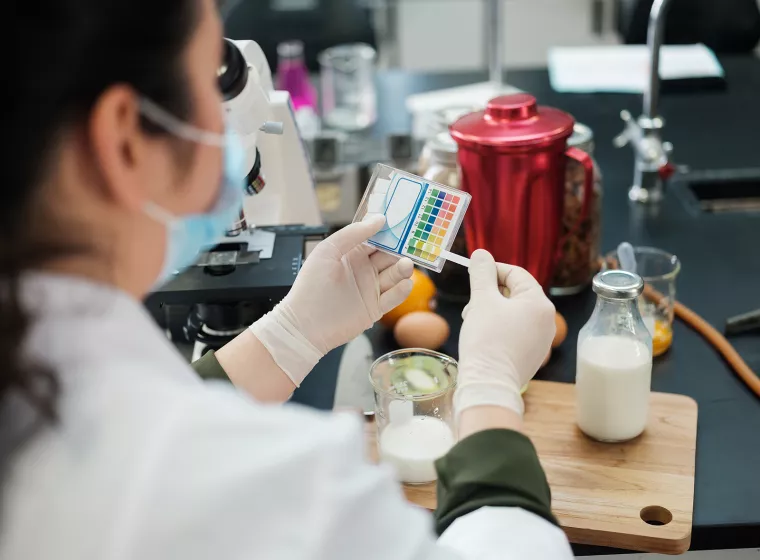
Food science and nutrition consulting support for food, ingredient, and beverage manufacturing companies, trade associations, and government agencies.

Polymers Expertise for Consumer Products
Rigorous testing and analysis of polymers in consumer products.
![[EBS] Ecological & Biological Sciences - Environmental Risk Assessment - grey heron grazing in fresh water](/sites/default/files/styles/cards_home_card/public/media/images/grey-heron-2022-01-04-23-54-37-utc%281%29_0.jpg.webp?itok=5EB0lXjA)
Environmental Risk Assessment
Risk assessments for legacy spills and contamination, potential project and product impacts, and environmental remediation support.

Toxicology & Human Health Risk Consulting
Exponent's toxicologists evaluate exposure and adverse health to support safety, regulatory, and product decisions.

Industrial Contamination Management
Expert environmental services for a range of complex industrial contamination challenges.
Plastic Recycling Consulting Services
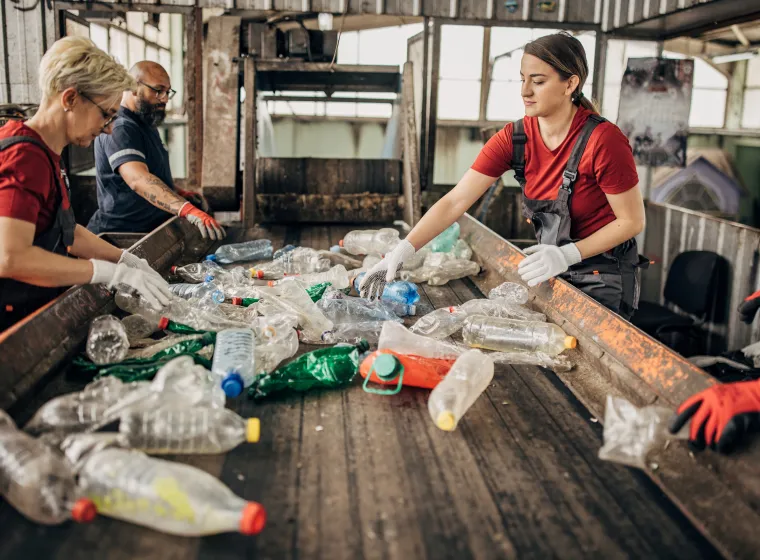
Exponent provides world-class evaluations and scientific insights to help plastic recycling stakeholders improve recycling performance and safety, assess and mi...





relevant right now
How are MNPs formed, and what distinguishes intentional from unintentional creation?
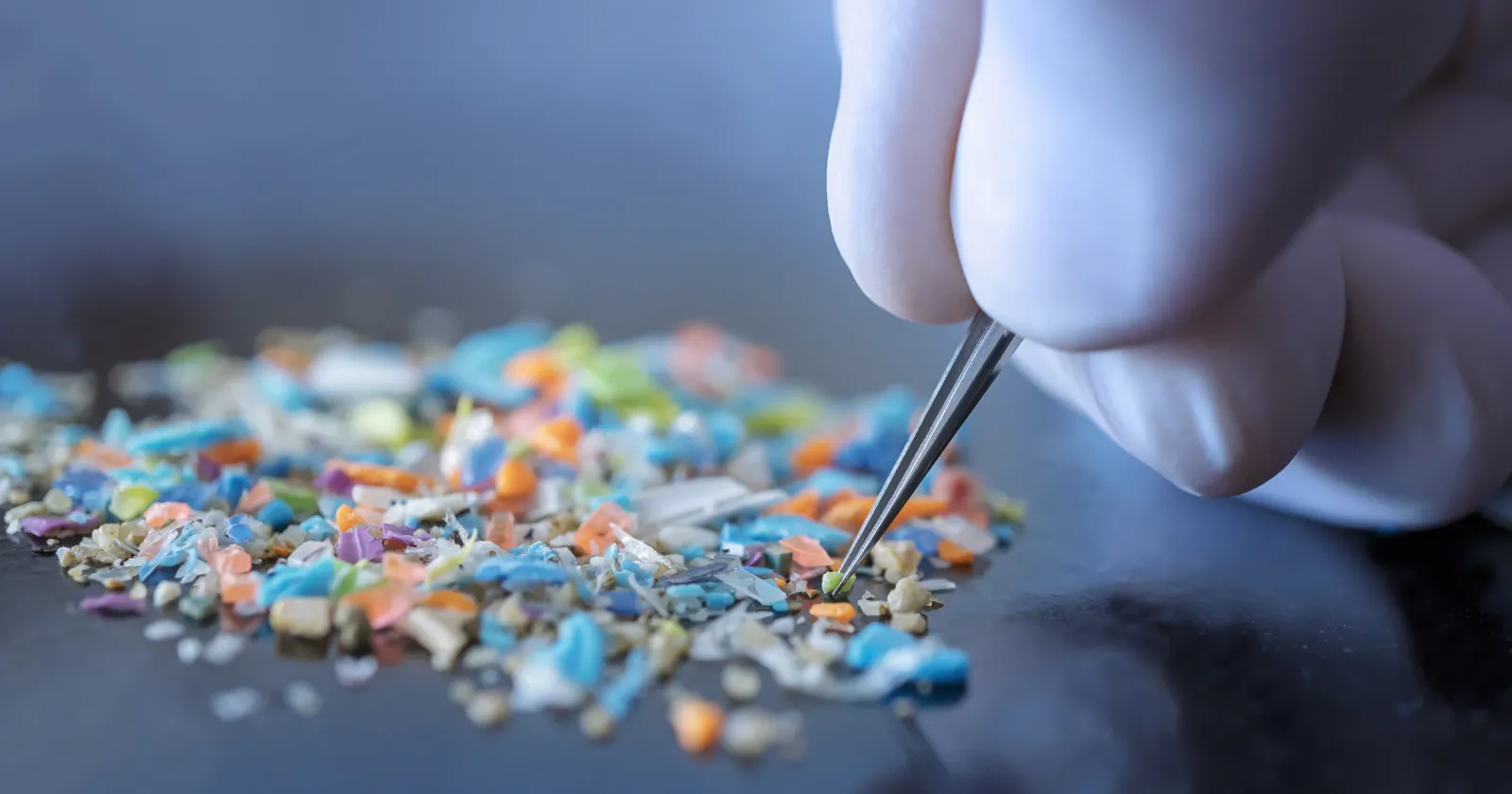
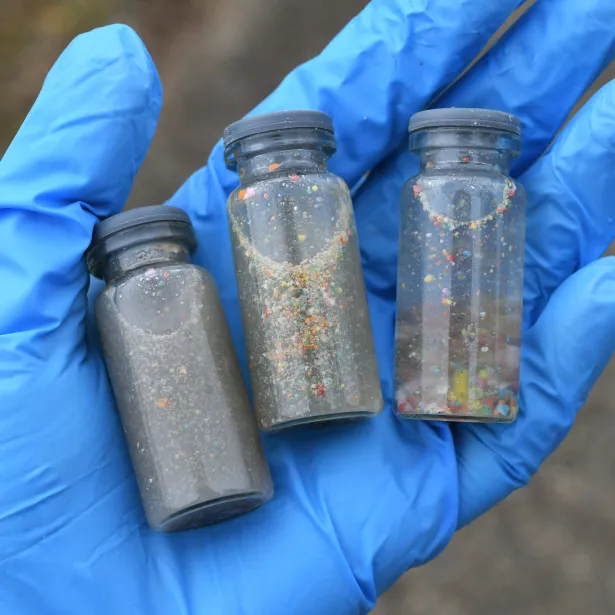
MNPs can be generated through both intentional and unintentional processes. Intentionally produced or "primary" MNPs, such as microbeads and nurdles, are manufactured for use in products like cosmetics, cleaning agents, industrial abrasives, and used in the production of other plastic products. Unintentionally produced or "secondary" MNPs arise from the fragmentation of larger plastic items across their lifecycle through mechanisms such as environmental exposure, physical abrasion, ultraviolet radiation, and chemical and thermal degradation.
While policy changes have led to bans on microbeads in many regions, the ongoing breakdown of plastic materials remains a diffuse source of MNPs in the environment.
What are the current methods for detecting and measuring MNPs in the environment?
Detecting and measuring MNPs can involve a combination of sampling, filtration, and advanced analytical techniques such as Fourier-transform infrared spectroscopy (FTIR), Raman spectroscopy, pyrolysis gas chromatography-mass spectrometry (Py-GC-MS), and electron microscopy. These methods allow scientists to identify particle composition, sizes, and potentially assess concentrations in water, soil, air, and biological samples, and determine which of these particles are MNPs. Ongoing improvements in detection technologies are helping researchers better understand the prevalence and impact of MNPs across different environments.
Experts
Our global and comprehensive expertise across industries gives us a deep understanding of current challenges, best industry practices, and the implications of emerging technologies.

Group Vice President and Principal Engineer


Practice Director and Principal Scientist






Senior Managing Engineer