
Bring Us Your Toughest Challenges
Channel Expert Insights
Exponent delivers independent, objective analysis for contested, time-sensitive, and high-exposure decisions — helping you clarify what happened, what it means, and what to do next.


How does Exponent support critical water resource decisions, assessments, and litigation?
When treatment performance is questioned, water availability shifts, floods drive damage and liability claims, or water rights are contested, you need answers that withstand regulatory review, public scrutiny, and cross-examination. Exponent turns complex issues and data into clear, defensible conclusions — so you can act decisively and reduce risk.
Our multidisciplinary teams — spanning environmental and ecological science, civil and chemical engineering, hydrology, geochemistry, thermal science, and health sciences — deliver objective, technically rigorous analyses and practical guidance. The result: clearer options, stronger documentation, and supportable positions in permitting, investigations, and disputes.
For 50+ years, we've thrived on solving unstructured problems that require bespoke solutions. Our expert water consultants support:
Municipalities
Utilities
Industrial operators
Equipment manufacturers
Insurers
Government agencies
How We Help Our Clients
Our Capabilities Are Unparalleled
Exponent helps municipalities, utilities, industrial operators, equipment manufacturers, insurers, and government agencies address their most complex water resource challenges with deep industry and regulatory experience and multidisciplinary scientific rigor.

Environmental & Regulatory Compliance
Rigorous analyses to help clients overcome complex environmental and regulatory hurdles and meet auditing obligations.

Sustainability & Climate Change
Scientific and engineering insights to improve and quantify sustainability practices and secure vital resources and assets.
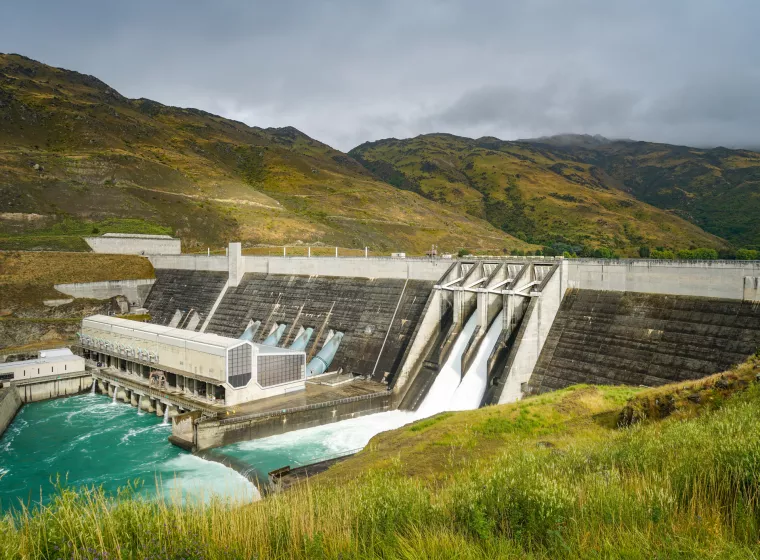
Hydropower Consulting
Harness hydroelectric power to support a successful sustainable energy transition strategy

Industrial Contamination Management
Expert environmental services for a range of complex industrial contamination challenges.







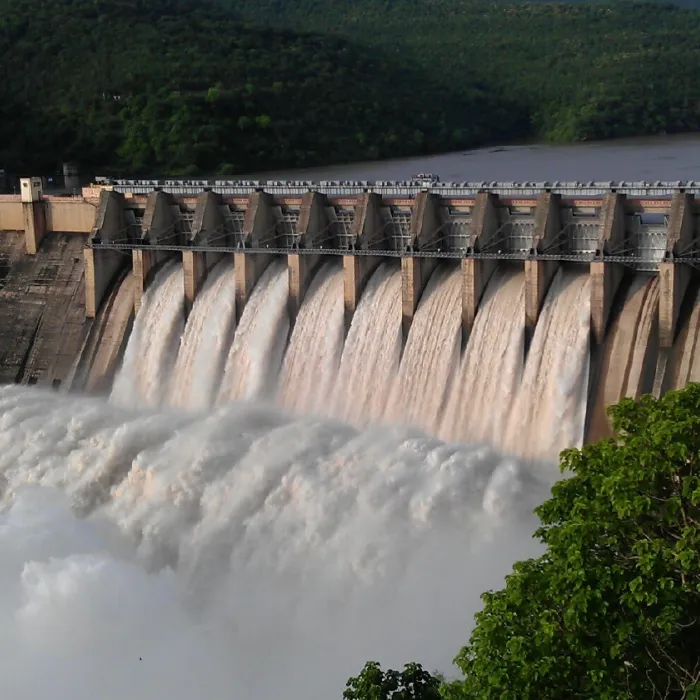
Optimize Water Wattage
Hydroelectric power is a key component of a successful sustainable energy transition strategy — but one that can be challenging to implement. Exponent supports complex hydropower projects with multidisciplinary expertise in hydrology, water quality and water rights, regulatory compliance, asset condition assessment and monitoring, climate change evaluations, and more.
relevant right now
How can water infrastructure be adapted to withstand the impacts of climate change?
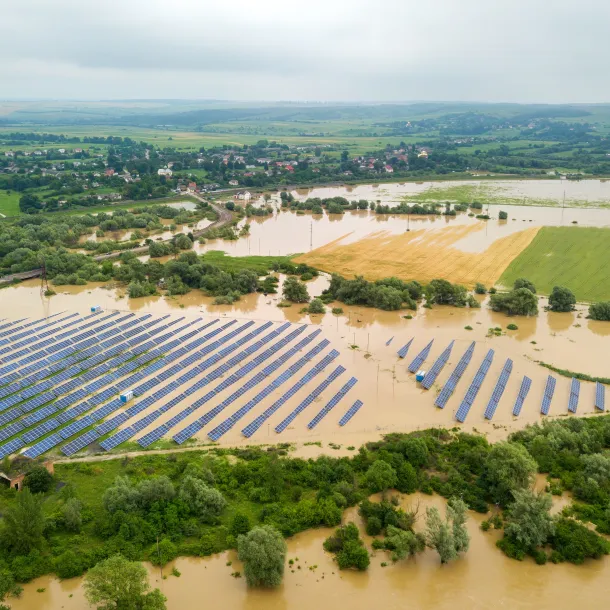
Climate change is increasing the frequency and severity of droughts, floods, and extreme weather events, reshaping hydrologic conditions and water availability. By proactively evaluating vulnerabilities and incorporating adaptive strategies, organizations can enhance the resilience of water systems to withstand future climate uncertainties.
Exponent's environmental engineers help stakeholders identify not only where historical design assumptions may no longer hold true but what that means for infrastructure performance, regulatory compliance, and contractual obligations. This may include reassessing flow and storage assumptions, revisiting operating rules and treatment capacities, and evaluating regulatory and operational flexibility so infrastructure can continue to function as runoff timing, volumes, and water availability depart from historical norms.
Why do some water system failures require going beyond standard technical investigations?
Some water system failures arise not from a single defect but from interacting design, operational, and regulatory factors. When performance shortfalls trigger disputes, engineers must determine whether systems failed as designed, were operated outside intended conditions, or were constrained by regulatory or contractual requirements.
By evaluating real-world operation, treatment outcomes, and downstream impacts together, technical experts can clarify causation in complex failures where liability and damages hinge on more than isolated components.
How can stakeholders assess and address thermal discharge risks?
Thermal discharges raise regulatory and environmental concerns when elevated temperatures have the potential to affect water quality or sensitive ecosystems. With temperature regulated as a pollutant under federal, state, and local frameworks, technical interpretation becomes critical to compliance outcomes.
By evaluating thermal impacts in their biological context — such as salmonid spawning and rearing habitat near river outfalls — and producing rigorous analyses that can stand up to regulatory and scientific review, organizations can better assess risk, support permitting decisions, and respond proactively to regulatory and stakeholder scrutiny.
Experts
Our global and comprehensive expertise across industries gives us a deep understanding of current challenges, best industry practices, and the implications of emerging technologies.

Practice Director and Principal Scientist

Practice Director and Principal Scientist

Office Director and Principal Scientist